Activities In Memory Care Programs
Engaging activities improve cognitive function and enhance quality of life for seniors in memory care settings.
Welcome to our deep dive into memory care programs! Those of us caring for individuals with Alzheimer’s or dementia know how critical it is to maintain a quality of life for our loved ones. Just as vital as nursing or medical assistance are the activities that can enrich their daily experiences. So let's explore the various Memory Care Activities available. We’re about to uncover how these activities can truly make a difference!
The Importance of Memory Care Activities
Memory care activities form an essential component of Alzheimer's Care and Dementia Care. These activities aim to engage the residents on physical, emotional, and social levels. It’s important to understand that engaging activities can stimulate cognitive function, allowing seniors to retain their skills for as long as possible. Often, it’s through these activities that bonds are formed with caregivers and peers.
Memory care settings, such as Assisted Living, Nursing Homes, or specialized memory care facilities, prioritize these activities to enhance the lives of residents. They acknowledge that individuals with memory disorders still have the capacity to enjoy life and participate in enriching experiences.
Cognitive Activities: Keeping the Mind Active
Cognitive activities are designed specifically to stimulate mental function. These activities can be anything from puzzles, and memory games to poetry readings and discussion groups. They aim to keep the brain engaged, providing a necessary workout for memory retention. Since many residents enjoy reminiscing, activities that draw on past experiences can be particularly beneficial.
For instance, engaging residents in crossword puzzles or memory recall exercises not only exercises their cognitive abilities but also fosters a medium for social interaction. These collaborative experiences help individuals bond with each other, creating a sense of community.
Recreational Activities: Fun that Uplifts
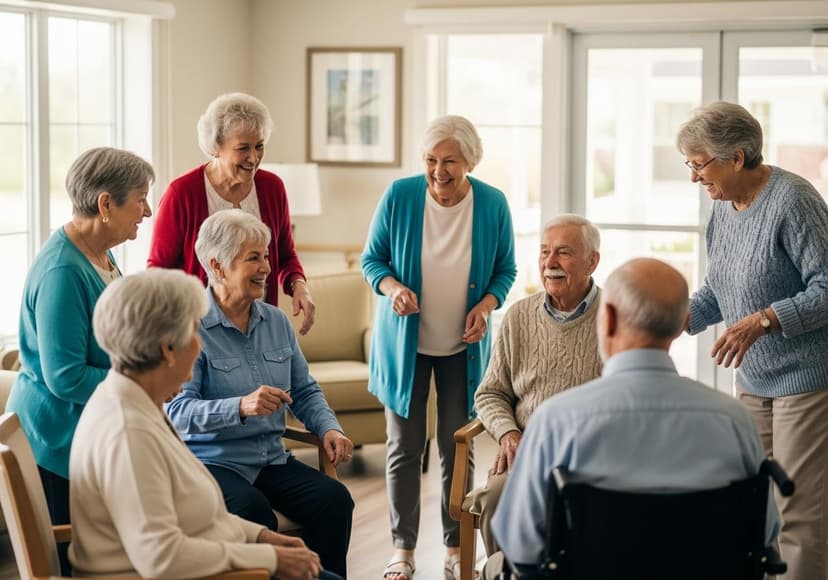
Recreational activities are just as important for nurturing a happy mental state. Incorporating fun activities into memory care programming can lift spirits and foster social connections. These can include gardening, cooking classes, dance sessions, and outdoor activities. Such endeavors provide relaxation and enjoyment, essential components in any Senior Care environment.
Creating a joyful atmosphere in memory care settings can also help residents feel more at home. They may not fully recall conversations but will surely remember the laughter they shared during a game of bingo or the satisfaction of planting flowers in the garden. One valuable resource on finding the right memory care options can be found here.
Therapeutic Activities: Healing through Engagement
Therapeutic activities encompass a variety of programs aimed at improving well-being. Each resident has unique preferences, so offering multiple choices is crucial. Some common therapeutic activities include Music Therapy, Art Therapy, and even Pet Therapy. Engaging multiple senses can lead to increased emotional responses and help residents connect with their past feelings.
For example, Music Therapy can spark memories and enhance mood, creating a comforting environment. Residents often respond positively to familiar tunes, which may evoke cherished memories. Music has a powerful way of breaking through to individuals who may otherwise be unreachable. The magic of music is truly enchanting in memory care settings.
Art Therapy: A Canvas for Expression
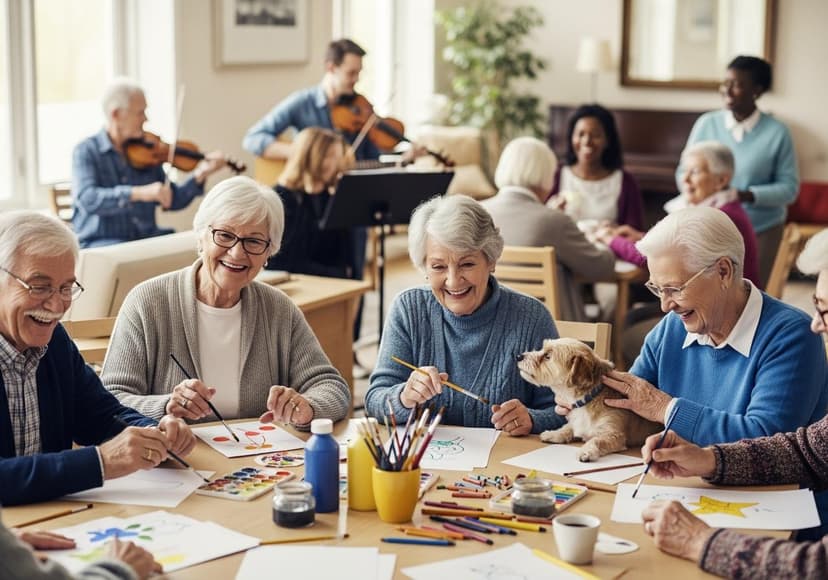
Art holds an essential place in the lives of many people. For seniors dealing with memory issues, Art Therapy provides an outlet for self-expression, regardless of their art abilities. We often find that through painting, crafting, or even coloring, residents express emotions that words may fail them. Art sessions can be structured group activities or more personal one-on-one interactions.
These activities also allow caregivers to observe residents closely, offering deeper insights into their needs and feelings. Plus, working on art projects can boost self-esteem and offer a sense of achievement. The therapeutic effects of creativity are both calming and fulfilling.
Pet Therapy: A Pawsitive Influence
Now, let's talk about something so dear to our hearts: Pet Therapy. This activity is decreasingly featured but holds monumental impacts. There’s something incredibly soothing about animals that enhances well-being. The simple act of petting a dog or cat can reduce stress and increase happiness, offering comfort and emotional relief.
Studies have shown that engaging with animals can lower blood pressure, reduce feelings of isolation, and even reduce symptoms of depression. Many memory care centers are now introducing pet therapy programs that allow residents to interact with trained therapy animals regularly. The joy they bring is immeasurable, as these furry friends become companions that help ease the emotional burden of memory conditions.
Integrating Memory Care Activities into Daily Routines
It’s not enough to offer activities sporadically; they must be woven into the daily fabric of life in memory care settings. Creating structured yet flexible schedules allow residents to engage in a variety of experiences without feeling overwhelmed. It’s vital that staffing allows for one-on-one attention and that caregivers are enthusiastic participants.
Flexibility is key to ensuring the activities suit everyone’s preferences and abilities. Offering multiple choices in a day allows residents to select what resonates most with them. This also encourages dialogue among residents, promoting camaraderie and making the experience even more enjoyable.
For a comprehensive understanding of different memory care facilities and the activities they offer, explore this article here.
Community Engagement: Bringing Families into the Fold
Community engagement can play a vital role in the success of memory care programs. Activities should not only involve residents but also encourage participation from family members. Whether it’s hosting family days, potluck dinners, or art festivals, inviting families offers a sense of unity and support.
These events can transform caregivers and residents into a community working together toward a common goal. Family involvement also promotes connection and understanding, alleviating any feelings of isolation the residents may experience. This sense of community enhances the overall memory care experience.
Evaluating the Effectiveness of Memory Care Activities
It’s essential to assess the effectiveness of activities regularly. Caregivers must take note of what engages residents, what sparks joy, and what seems ineffective. Evaluating participation levels can gauge whether an activity’s format needs altering or if a new approach is required.
Feedback from residents and their families can also provide valuable insights into how to tailor future activities. By adjusting to the residents’ needs, memory care programs can continually improve, ensuring that these individuals enjoy a fulfilling, rich life.
Choosing the Right Memory Care Setting
Selecting the appropriate memory care facility can feel overwhelming, but taking the time to explore various options is crucial. Factors to consider include the range of Cognitive Activities, the availability of Recreational Activities, and overall atmosphere. You can dive deeper into choosing the right memory care setting here.
Visitations can help family members assess whether a facility offers a supportive and engaging environment for their loved ones. Knowing that your loved one is in a place that prioritizes their happiness is paramount for peace of mind. Ensure the programs offered align with the interests and needs of your loved one!
Final Thoughts
In conclusion, memory care activities significantly impact the well-being of residents in Assisted Living, Nursing Homes, and specialized memory care facilities. Whether it’s through engaging Cognitive Activities, enjoyable Recreational Activities, or heartwarming Pet Therapy, these experiences can help individuals lead enriched lives filled with joy and connection.
As family members and caregivers, it’s essential to advocate for these activities in memory care programs. The more engagement, laughter, and connection that can be fostered, the better quality of life our loved ones will enjoy. Through understanding the value of these experiences, we can help create an environment filled with compassion, comfort, and happiness!
Posts Relacionados
Activities In Assisted Living
Engaging activities improve residents' well-being and cognitive function, fostering social connections within assisted living facilities.
And Facility Challenges
Long-term care facility costs involve significant financial strain, impacting both residents and the healthcare system.

Aortic Valve Replacement Long Term Outlook
Engaging activities improve cognitive function and enhance quality of life for seniors in memory care settings.