Aortic Valve Replacement Surgical Options
Surgical options replace damaged aortic valves, improving blood flow. Procedures consider patient's health and valve condition.
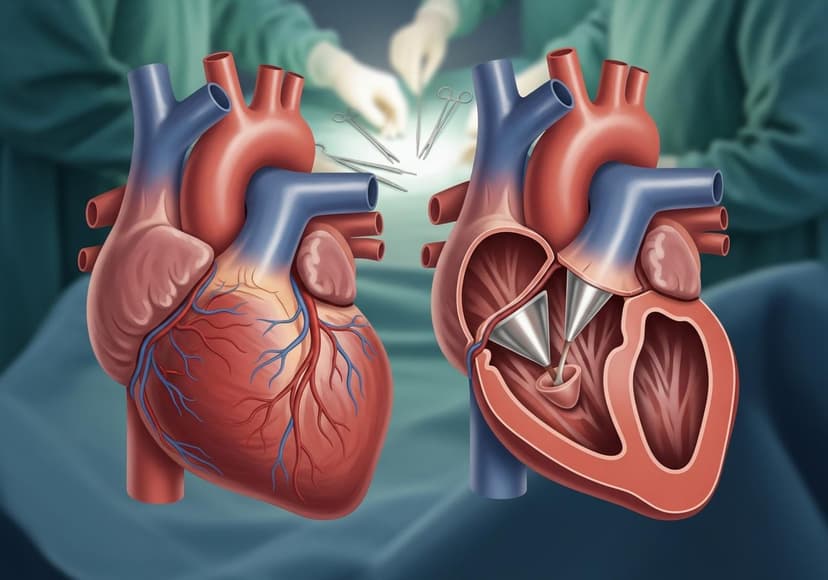
The heart is a remarkable organ, pumping blood throughout our bodies to keep us alive. But just like any mechanical device, sometimes parts can wear out. One crucial part of this complex system is the aortic valve. When it suffers from severe conditions, it may need to be replaced. In this post, we will explore the various surgical options for Aortic Valve Replacement, including the intricacies of each procedure and what you should know about recovery.
Understanding Aortic Valve Replacement Procedure
The decision to undergo an Aortic Valve Replacement Procedure often stems from conditions like aortic stenosis or regurgitation, where the valve doesn't close properly. This can lead to symptoms such as shortness of breath, fatigue, or even chest pain. Fortunately, there are several surgical options that can restore normal heart function. Let’s dive deeper into these choices.
Surgical Aortic Valve Replacement (SAVR)
Surgical Aortic Valve Replacement is one of the most traditional and invasive options available. During the Surgery, the surgeon makes a large incision in the chest to reach the heart. The damaged valve is removed, and either a Bioprosthetic Aortic Valve or a Mechanical Aortic Valve is implanted. Bioprosthetic valves are made from animal tissues and are typically easier on the body, while mechanical valves are made from durable materials and are designed to last longer.
Transcatheter Aortic Valve Replacement (TAVR)
Transcatheter Aortic Valve Replacement, or TAVR, is a relatively new, less invasive technique that has gained popularity in recent years. In this procedure, the new valve is delivered through a thin catheter that is inserted via the femoral artery, the groin, or directly through the chest wall. TAVR is ideal for patients who are considered high-risk surgical candidates and offers a shorter recovery time compared to SAVR.
Minimally Invasive Aortic Valve Replacement (MIAVR)
Minimally Invasive Aortic Valve Replacement is another option that aims to reduce recovery time and surgical trauma. This technique involves smaller incisions compared to traditional surgery and can often be performed with the assistance of robotic systems. The benefits are clear; patients tend to experience less postoperative pain and a reduced risk of infection.
Aortic Valve Replacement Recovery
Regardless of the method employed for your Aortic Valve Replacement, recovery is a key factor to consider. After surgery, patients typically require a stay in the hospital ranging from a few days to a week. Initial recovery involves getting back on your feet, managing pain, and gradually increasing activity. The overall timeline can vary, and while some may feel well enough to return to regular activities within weeks, others may take months. It's essential to follow your doctor's advice during this critical period.
Aortic Valve Replacement Risks
Every surgical procedure comes with risks, and Aortic Valve Replacement is no exception. Some patients may experience complications, such as bleeding, infection, or reactions to anesthesia. Aortic Valve Replacement Complications may also include blood clots, valve issues, or arrhythmias. Before proceeding, make sure to discuss these risks thoroughly with your surgeon.
Aortic Valve Replacement Cost
The cost of Aortic Valve Replacement can vary widely depending on the type of procedure performed, hospital fees, and insurance coverage. On average, costs can range from $50,000 to over $200,000. It’s essential to check with your healthcare provider regarding your specific plan to understand your financial responsibility fully. Don’t forget to factor in potential follow-up care and medications, especially if you receive a Mechanical Aortic Valve, which often requires lifelong anticoagulation therapy.
Conclusion
The journey towards heart health after an Aortic Valve Replacement Procedure can seem daunting, but it’s crucial to remember that this surgery can significantly improve your quality of life. Understanding your options—whether it’s Surgical Aortic Valve Replacement, Transcatheter Aortic Valve Replacement, or Minimally Invasive Aortic Valve Replacement—is the first step in making an informed decision. For more in-depth discussions about the implications of these procedures, check out this helpful article.
In conclusion, whichever path you and your medical team choose, be proactive about your recovery. Stay informed, engaged, and communicate openly with your healthcare providers. Understanding the nuances of Aortic Valve Replacement Risks, Aortic Valve Replacement Complications, and costs will only serve to empower you as you embark on this important journey. For additional details, you may want to explore resources such as this article. Remember, you’re not alone in this; many have experienced successful outcomes and returned to fulfilling, active lives.
Posts Relacionados

Affordable Dental For Seniors
Seniors can find suitable dental insurance plans. These plans ensure quality care while managing costs effectively.

Affordable Dentals For Senior Adults
Seniors can find suitable dental plans focusing on their specific needs for optimal oral health and financial ease.

Affordable Teeth Aligners For Seniors
These aligners offer discreet and cost-effective solutions for seniors seeking improved dental alignment and confidence.