Building Inspection Review
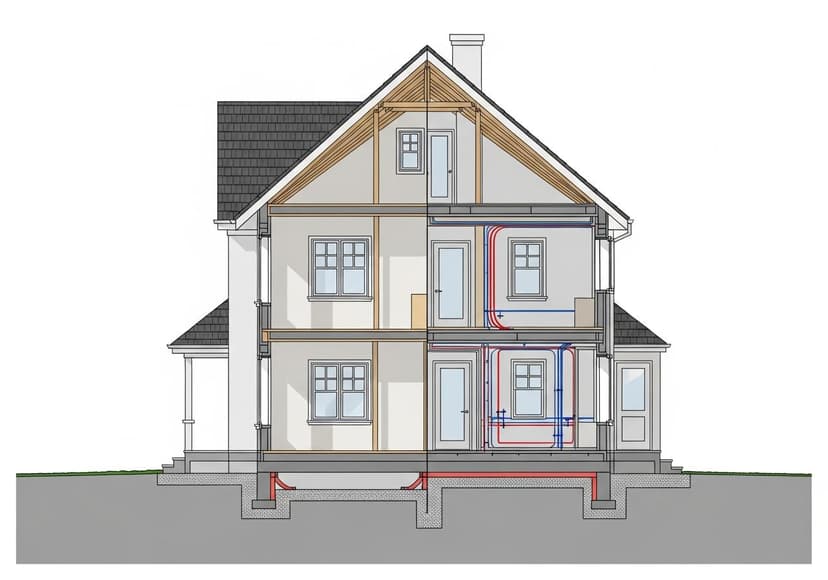
Structural integrity checks assess buildings. Findings aid in preserving safety, identifying deficiencies, and ensuring code compliance.
Understanding Building Inspections
Building inspections are crucial for ensuring the safety, functionality, and value of a property. Whether you're purchasing a new home or a commercial building, understanding the inspection services available can save you from costly surprises down the road. With various types of inspections, including structural inspection, roof inspection, and foundation inspection, it's essential to know what each entails and how it affects your property.
The Importance of Structural Inspections
Structural integrity is the backbone of any building. Structural inspections involve assessing the critical components of a building, specifically its frame and foundations. This process helps identify existing damages or potential weaknesses that may lead to structural failure. Engaging in routine structural inspections can prevent issues that arise from weather-related events and poor maintenance.
Comprehensive Home Inspections
A home inspection is an all-encompassing examination, including various facets of the property. Inspectors will look at the roof, plumbing, electrical systems, and much more. This thorough check provides a detailed understanding of the home's condition. For purchasing clients, a home inspection can reveal hidden issues that could impact the decision-making process significantly.
Commercial Inspections: What You Need to Know
Every commercial property requires a meticulous assessment, ensuring compliance with safety regulations and standards. A commercial inspection considers aspects that differ from residential buildings, such as zoning laws and commercial-grade materials. Business owners should prioritize commercial inspections to maintain their property’s safety and extend its lifespan.
An In-Depth Look at Roof Inspections
The roof of your building is its first line of defense against the elements. Regular roof inspections can identify potential leaks, structural damages, or critical wear and tear. Neglecting roof inspections can lead to expensive damages not only on the roof itself but also throughout the interior of the property.
Why Foundation Inspections Matter
The foundation supports the entire structure, making foundation inspections paramount. Any cracks, settling, or shifting can indicate severe underlying issues. Addressing foundation concerns often prevents further damage to the building's overall integrity, preserving both safety and investment.
Understanding Mold Inspections
Mold can be a hidden danger in buildings, significantly impacting health. A mold inspection is vital for identifying problematic areas where moisture accumulates, indicating potential mold growth. If you suspect mold issues in your property, engaging with professionals trained in mold inspection services can be lifesaving.
Pest Inspections: Protecting Your Property
Pests can cause substantial damage, especially termites, which target wood structures. A pest inspection involves assessing signs of pest infestation and potential risks. Early detection can lead to affordable solutions and save property owners from extensive repairs.
Electrical Inspections: Safety First
Electrical systems are complex, and any faults can lead to dangerous situations. Conducting an electrical inspection ensures the safety and functionality of wiring and electrical components within a property. This inspection not only safeguards the residents but also beautifies the overall environment without the looming fear of electrical failures.
Understanding the Necessity of Plumbing Inspections
Among the various inspection services, a focused plumbing inspection is perhaps one of the most crucial. This inspection evaluates the state of the plumbing systems, including pipes, fixtures, and wastewater management. Undetected leaks or blockages can not only damage the property but can also lead to unhealthy living conditions.
Steps to Prepare for a Building Inspection
Knowing how to prepare for a building inspection can lead to smoother processes and better results. First, ensure that you are available for the appointed time, as your presence can aid inspectors in their work. Also, address any visible issues prior to the inspection, as this openness fosters a complete understanding of the property's condition.
What to Expect During the Inspection
During a building inspection, the inspector will assess all key components, including but not limited to plumbing, electrical, and structural elements. Make sure to ask questions and take notes throughout the process. This knowledge equips you with an understanding of the building’s condition and any immediate needs or future maintenance tasks.
Understanding the Reports and Findings
Once the inspection is completed, the inspector will provide a detailed report. This document outlines identified issues and recommendations. Understanding this report is crucial as it can significantly influence your next steps, whether negotiating repairs or moving forward with a purchase. Always review the findings carefully, seeking clarification on any points you don’t comprehend.
Moving Forward After the Inspection
After reviewing the inspection report, decide on the necessary action. If repairs or updates are recommended, prioritize those based on urgency. Some issues may require immediate attention, while others can be scheduled for later. Consulting with professionals in the various fields of inspection services can provide you with the guidance needed to address any concerns aptly.
Conclusion: Why Regular Building Inspections are Key
Regular building inspections are essential for maintaining a safe and comfortable property. Whether through a thorough plumbing inspection or a full-scale property inspection, keeping up with these necessary evaluations ensures that your home or commercial space continues to provide the security and functionality you and your tenants expect. Don't wait for problems to arise; make inspections a recurring part of your property management strategy.
Before proceeding with your next home structure assessment, consider visiting comprehensive resources that thoroughly explain the critical aspects of building integrity, such as the insights shared in the structural integrity review. Your property deserves maximum protection from unforeseen damages through credible inspections!
Posts Relacionados
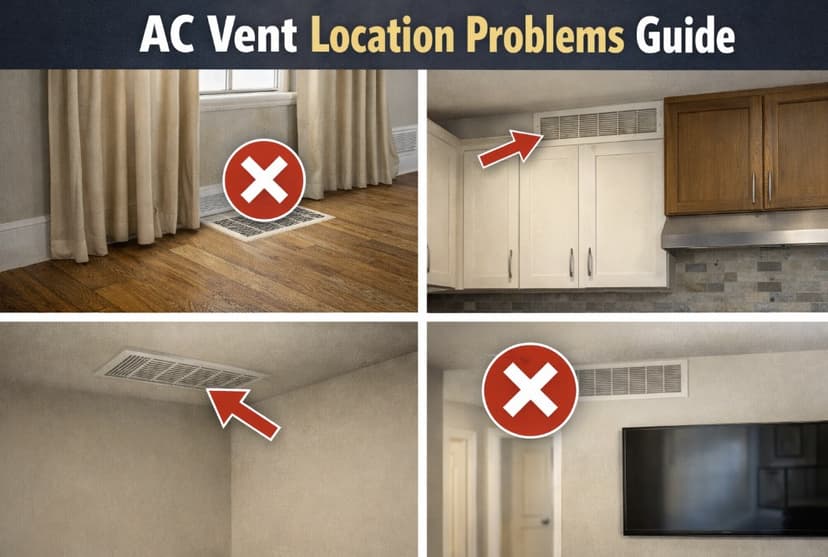
Ac Vent Location Problems Guide
Improper placement causes uneven temperatures, poor airflow, and reduced energy efficiency. Identify these issues for optimal comfort.
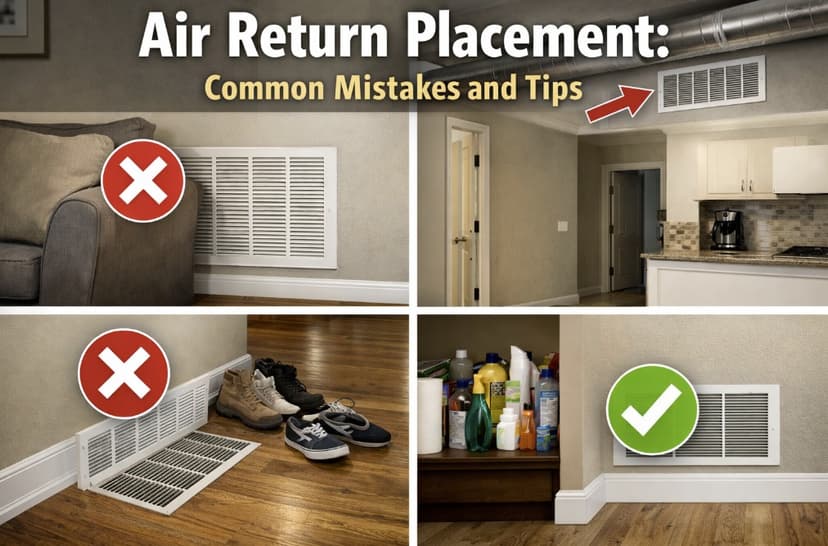
Air Return Placement Common Mistakes And Tips
Improper placement causes poor airflow, energy waste, and discomfort; avoid these mistakes for optimal HVAC performance.

Choosing The Right Smart Security Overview
Selecting the best smart security system means evaluating features, assessing needs, and ensuring reliable home protection.