Common Contractor Interview Mistakes
Prepare insightful answers. Highlight expertise. Showcase project understanding. Address experience gaps. Avoid generic responses.
Understanding the Importance of a Solid Interview Process
Hiring contractors can be a daunting task, especially if you’re not familiar with the interview process. One of the keys to successful hiring lies in how well you conduct your contractor interview. Understanding common interview mistakes can help you avoid pitfalls and ensure you find the best contractor for your needs. Whether you’re in the midst of planning a renovation, looking for a contractor for new construction, or just want to take on a small project, knowing what to do and what not to do can significantly enhance your interview preparation process.
Common Interview Mistakes: What to Avoid
One of the first interview mistakes many people make is not preparing enough. Going into a job interview with a handful of questions and little to no research is a sure way to misalign your expectations. You need to prepare a range of contractor interview questions that dive deep into not just the contractor's qualifications, but also their experience and approach to your specific project. Effective interview skills often come from preparation. Spend time researching their background, looking at previous work, and gathering insights on their approach to problem-solving. Taking this extra step can significantly impact your decision-making process.
Failing to Establish Clear Job Requirements
Another major lapse occurs when interviewers fail to clarify what they need from a contractor. Imagine sitting down for a contractor interview without a concrete list of responsibilities and qualifications necessary for the project. This not only complicates the conversation but also leaves room for misinterpretation and misalignment. Make sure to provide concrete examples of what you’re looking for. This is crucial when you're asking interview questions about their experience and approaches, as it gives them context and helps guide the discussion.
Neglecting Soft Skills in Favor of Hard Skills
While qualifications are crucial, many hiring managers tend to overlook the importance of soft skills during interview preparation. Contracts require more than just technical know-how; effective communication, a sense of teamwork, and problem-solving abilities are equally essential. Pay attention to how they discuss past projects and their ability to collaborate with you and other stakeholders. Asking specific questions related to team dynamics can shed light on their soft skills, thus reducing the risk of encountering common contractor interview mistakes later in the project.
Overlooking Cultural Fit
In the rush to find a qualified contractor, one common mistake can be the failure to evaluate cultural fit. Every contractor has a unique work style, and it's important to find someone whose approach aligns with your expectations. Ask questions that help you assess how they would integrate with your project vision. This could include inquiry into their working hours, responsiveness, and their method of handling feedback. Making sure they mesh well with your project culture can save you a lot of complications down the line.
Not Checking References and Past Work
Skipping the reference check stage is an all-too-common mistake that can lead to regrettable hiring decisions. Just because a contractor has impressive credentials or a dazzling portfolio doesn’t mean they're the right fit for your project. Always take the time to reach out to previous clients to get insights about their experience from working with that contractor. Consider asking pointed interview questions about work quality, adherence to deadlines, and overall satisfaction. This can reveal a lot more than a resume ever could, helping you avoid costly contractor interview mistakes.
Ignoring Cost Estimates
Another mistake is to ignore how contractors present their cost estimates. Beware of vague quotes or unclear breakdowns in pricing. In your interview tips, ensure you discuss budgetary concerns upfront to avoid misunderstandings later. Obtain detailed quotes that outline costs for different phases of the project, as this will give you the transparency you need to gauge which contractors align best with your financial expectations.
Not Asking the Right Questions
Sometimes, contractors can strategically take advantage of a lack of clarity from the interviewer’s side. This is why you must formulate comprehensive interview questions that get straight to the point and cover every aspect of the project. This includes inquiries about their approach to project management, timelines, and how they handle unexpected challenges. The more relevant questions you ask, the greater your chances of uncovering red flags that could derail the entire project.
Forgetting to Discuss Warranties and Insurance
It’s a mistake to overlook discussions regarding warranties and insurance. You want to ensure that your contractor is covered and stands by their work. During the interview, make an effort to discuss what kinds of warranties they offer, in addition to their policy on insurance coverage in case of incidents. This not only protects you, but it also sets the stage for accountability, fostering a better working relationship.
Rushing into a Decision
Another prevalent mistake when hiring contractors is the urge to rush the decision. Your instinct may push you to go with the contractor who immediately impresses you, but take a moment to consider all your options. Give yourself time to reflect after interviews and compare candidates to determine which one fits your criteria best. This may mean revisiting previously noted details to ensure you’re making the best choice. Remember, patience now can save you a world of hassle later!
Tips for Successful Contractor Interviews
Now that we’ve highlighted the major contractor interview mistakes, let’s talk about some solid interview advice that can put you ahead of the game. First, come prepared. This goes beyond just asking questions; it means knowing the contractor's background and past projects. Use resources such as the Contractor Interview Prep Guide for additional insights.
Be Honest with Your Expectations
Honesty is key when it comes to setting expectations during a contractor interview. Share your budget, timeline, and what you envision for the project. This will help you gauge if the contractor aligns with your vision and whether they’re willing to meet your requirements. The more open you are, the more straightforward their responses will be, allowing you to assess if they can truly deliver.
Follow-Up Questions Matter
After your contractor interview, consider having follow-up questions lined up for any clarifications. This not only shows you’re engaged but also helps dig deeper into their thought processes. Encouraging them to elaborate on their answers can provide insights you perhaps hadn’t initially considered. Plus, it demonstrates your serious consideration for the hiring process and your project.
Conclusion: Making the Right Choice
Navigating the contractor hiring process doesn’t need to be complex, but being aware of common pitfalls can simplify things. Realizing that methods of hiring contractors require proper frameworks and strategies, as mentioned throughout this post, is essential in ensuring that you vet potential candidates effectively. By avoiding these common interview mistakes and putting the right interview skills and approaches into practice, you can find the perfect contractor for your needs. Good luck with your project, and remember! The right contractor can make all the difference.

Posts Relacionados
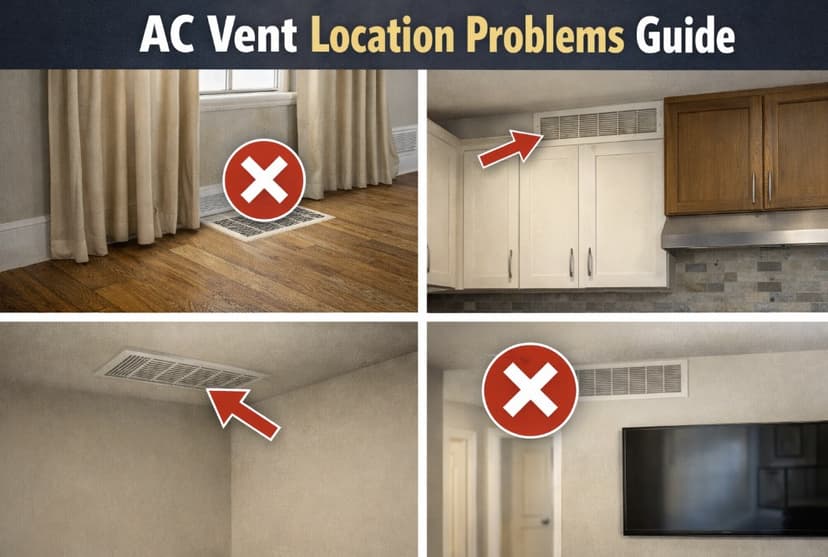
Ac Vent Location Problems Guide
Improper placement causes uneven temperatures, poor airflow, and reduced energy efficiency. Identify these issues for optimal comfort.
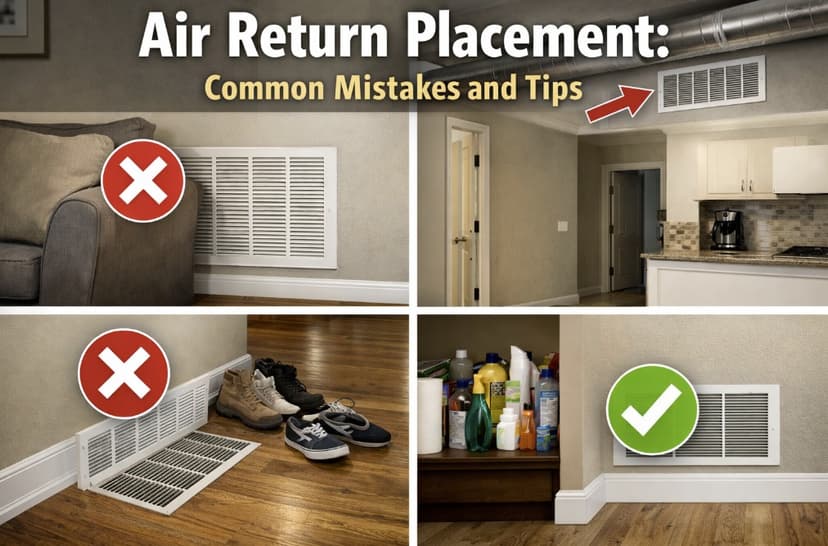
Air Return Placement Common Mistakes And Tips
Improper placement causes poor airflow, energy waste, and discomfort; avoid these mistakes for optimal HVAC performance.

Choosing The Right Smart Security Overview
Selecting the best smart security system means evaluating features, assessing needs, and ensuring reliable home protection.