Construction Site Safety Regulations
Workers must follow all safety regulations. Proper equipment, hazard awareness, and training are crucial for safety.
Why Construction Site Safety Matters
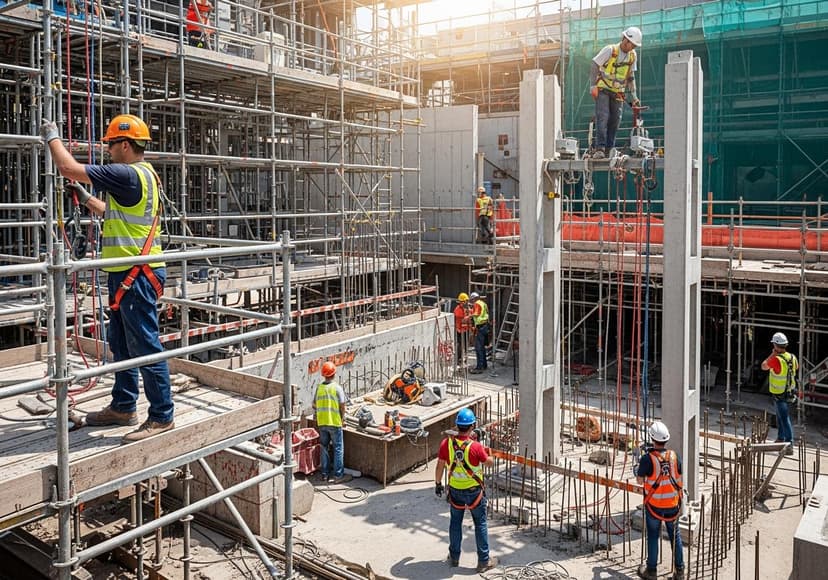
Construction sites are bustling environments filled with heavy machinery, hazardous materials, and complex structures. Each year, thousands of accidents occur due to negligence and inadequate safety practices. Understanding Construction Site Safety is not just a regulatory requirement; it's a moral obligation to protect everyone's well-being, including workers, supervisors, and even the general public. The implementation of effective safety measures can dramatically reduce the likelihood of accidents and deaths.
Essential Regulations Underpinning Safety
To ensure safety on construction sites, several regulations are in place. Familiarizing yourself with these is essential for all individuals involved. These regulations cover various aspects, such as Fall Protection, Scaffolding Safety, and more. Understanding these areas helps workers stay safe and keeps employers compliant with the law, ultimately leading to a secure working environment.
Fall Protection: A Key Component
Falls are one of the leading causes of fatalities on construction sites. This necessitates stringent Fall Protection mechanisms. Workers must always wear harnesses when working at heights and ensure guardrails are installed where necessary. Training on recognizing fall hazards is crucial for preventing accidents. Employers also must conduct regular inspections to maintain safety standards and ensure compliance with regulations.
Scaffolding Safety Guidelines
Scaffolding Safety is crucial as scaffolding is often used for construction and maintenance tasks at heights. Proper assembly, use of high-quality materials, and regular inspections are essential. Workers should be trained to recognize when scaffold structures are not compliant with safety standards. This includes understanding the limits of weight load and ensuring that scaffolds are not built on unstable ground.
Hazard Communication: Keeping Everyone Informed
Good communication regarding hazards is necessary to ensure safety. Companies must implement a Hazard Communication program that informs workers of the risks associated with the materials they may encounter on the job. Labels on hazardous substances should be clear, and Safety Data Sheets must be readily available. Regular training sessions can enhance hazard awareness and preparedness among workers.
Personal Protective Equipment: Your First Line of Defense
Personal Protective Equipment (PPE) includes helmets, gloves, eye protection, and safety footwear. The use of PPE can significantly minimize injuries. It's vital for all workers to understand the importance of using PPE appropriate to the task at hand. Employers are responsible for providing the necessary gear and ensuring it meets the required safety standards.
Excavation Safety: Avoiding Trench Accidents
Excavation work can be extremely dangerous. Therefore, strict Excavation Safety protocols must be followed. This involves understanding soil composition, utilizing trench boxes, and maintaining appropriate slopes. Workers must be trained to recognize the signs of cave-ins and implement safety systems before beginning any trenching work.
Electrical Safety: Protecting Against Shock
Electrical work is another area where safety cannot be compromised. Following Electrical Safety protocols helps mitigate the chances of electric shock or fire hazards. Workers should be trained to connect equipment correctly, maintain safety distances from live wires, and utilize protective gear designed specifically for electrical hazards.
Crane Safety: Managing Lifting Operations
Operating cranes requires skill and knowledge to ensure the safety of all on-site. Crane Safety involves operator training, proper signaling, and routine inspections. Workers not only need to operate cranes safely but also be aware of the load limits and ensure no personnel are too close to the operation.
Confined Space Safety: Hazard Recognition
Confined Space Safety highlights the need for precautions when working in closed environments. These spaces can pose risks such as oxygen deprivation or toxic fumes. Identifying confined spaces, conducting air quality checks, and using protective gear reduce the risk of accidents.
Trenching Safety: Ensuring Stability
When digging trenches, adhering to Trenching Safety regulations is crucial. This includes shoring, sloping, or benching excavations, as well as regular inspections to ensure stability. Workers must be trained to recognize potential hazards associated with trench collapses.
Demolition Safety: Managing Risks
The demolition phase of construction presents unique hazards. Proper Demolition Safety measures involve conducting hazard assessments, using the right tools, and ensuring that PPE is worn at all times. Safe separation from the public and surrounding structures is critical to avoid accidents.
Asbestos Removal: Handling with Care
Asbestos Removal is one of the most critical safety considerations in older buildings. If asbestos is identified, workers must follow strict regulations and guidelines for its safe removal. Training in handling asbestos can save lives by reducing exposure to this hazardous material. Contractors should always ensure they're following local and federal regulations concerning hazardous substances.
Ongoing Training and Awareness
To keep safety standards high, ongoing training is imperative. Regular workshops and drills can help reinforce the importance of the previously mentioned safety areas, including Personal Protective Equipment, Crane Safety, and Asbestos Removal. The more informed workers are, the better they can react in emergencies and adhere to safety regulations.
Conclusion: A Commitment to Safety
Commitment to Construction Site Safety regulations is essential for everyone involved. By understanding and implementing safety protocols related to Fall Protection, Excavation Safety, and Asbestos Removal, workers can help create a safer environment. Raising awareness and educating workers ensure that safety remains a top priority on all construction sites.
For more information on hazard awareness and safety measures, check out this article on Construction Site Hazard Awareness.
Posts Relacionados
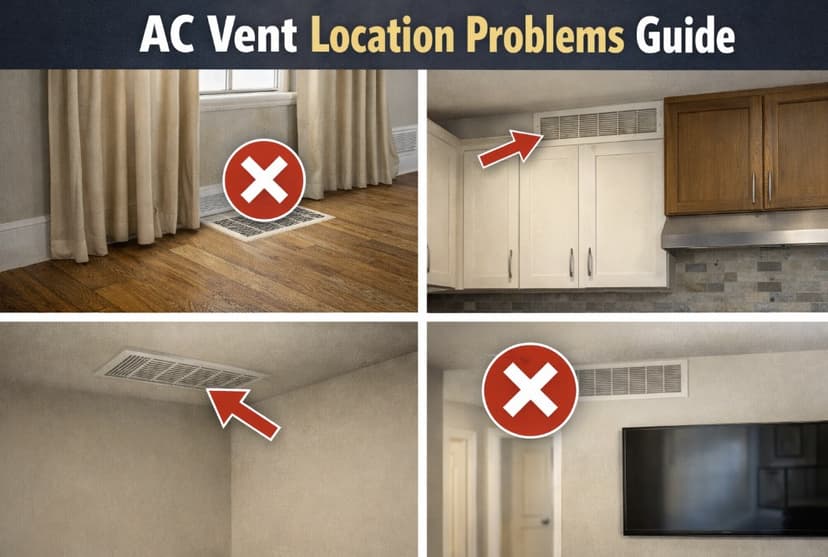
Ac Vent Location Problems Guide
Improper placement causes uneven temperatures, poor airflow, and reduced energy efficiency. Identify these issues for optimal comfort.
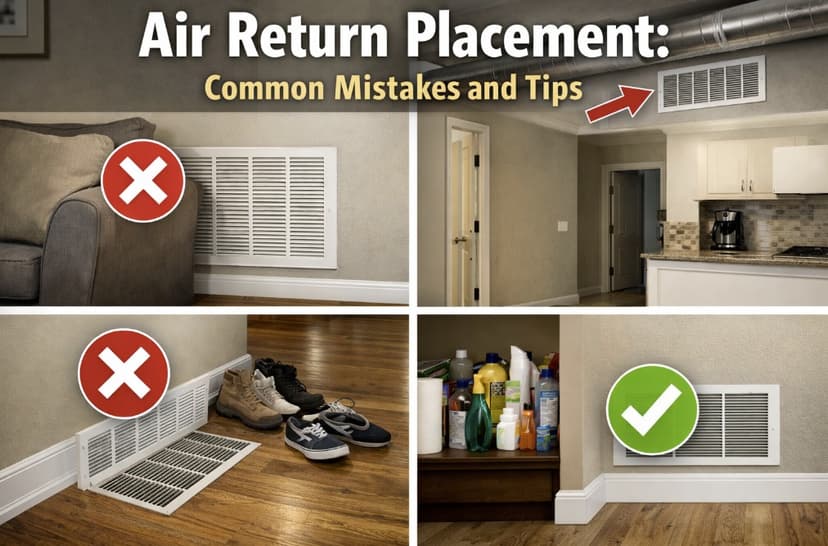
Air Return Placement Common Mistakes And Tips
Improper placement causes poor airflow, energy waste, and discomfort; avoid these mistakes for optimal HVAC performance.

Choosing The Right Smart Security Overview
Selecting the best smart security system means evaluating features, assessing needs, and ensuring reliable home protection.