Continuing Care Retirement
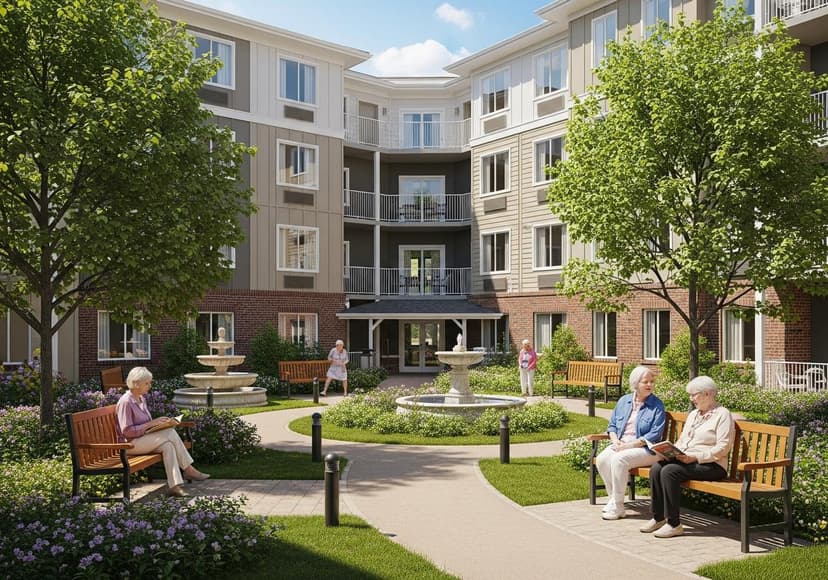
Retirement apartments offer comprehensive services, housing options, and healthcare for seniors seeking independent living.
What is a Continuing Care Retirement Community?
A Continuing Care Retirement Community (CCRC) is a type of retirement community that offers a spectrum of accommodation and healthcare options for seniors. These communities are designed to provide housing for seniors, enabling them to transition through various levels of care as their needs change over time. From Independent Living to Assisted Living, Nursing Homes, and Memory Care, CCRCs cater to diverse lifestyles and medical requirements. This unique model provides peace of mind for both seniors and their families, knowing that a comprehensive support system is in place.
Retirement Apartments and Independent Living
At many CCRCs, residents can start their journey in Retirement Apartments or Independent Living units. These are typically designed for seniors who are largely self-sufficient but looking for a community atmosphere. The perks often include meal plans, housekeeping, and access to amenities such as gyms, pools, and social activities. Having access to a vibrant community helps combat loneliness, which is a significant concern as we age. You can learn more about different Retirement Apartments options through this helpful guide.
The Shift to Assisted Living and Skilled Nursing
As health or mobility concerns develop, some seniors may require additional support. CCRCs usually offer Assisted Living services that bridge the gap between Independent Living and full healthcare needs. This can include assistance with daily activities like bathing, dressing, and medications. In case of more serious health issues, residents can transition to Skilled Nursing or even Nursing Homes, where they receive continuous medical care from trained professionals.
Dementia Care and Memory Care
A CCRC should also cater to those with cognitive impairments, including Alzheimer’s and other forms of dementia. Memory Care units within a CCRC are specialized environments designed to meet the unique needs of residents with memory loss. These facilities employ techniques and programs specifically tailored to enhance the quality of life for seniors experiencing cognitive decline, ensuring their safety and comfort.
Benefits of Living in a CCRC
The advantages of residing in a Continuing Care Retirement Community are numerous. One of the main benefits is the convenience of having various levels of care available on-site. This means seniors can age in place and avoid the stress of having to move multiple times as their care needs evolve. Additionally, CCRC residents often enjoy a rich lifestyle filled with activities, social engagements, and learning opportunities, enhancing overall well-being and happiness in Senior Living.
Housing for Seniors: Why Choose a CCRC?
With the growing demand for Senior Housing options, CCRCs are becoming an increasingly popular choice. They can offer a sense of belonging and community which is vital for mental health. Instead of feeling isolated, seniors have the opportunity to develop friendships, join activities, and stay active. Furthermore, an all-in-one option like a CCRC simplifies the complex journey of aging, ensuring individuals have the care they need at every stage.
Approaching the Decision: Moving into a CCRC
Deciding to move into a CCRC is a significant decision that involves careful consideration of various factors, such as cost, services, and personal health needs. It's essential to visit multiple CCRCs, ask questions, and talk to current residents about their experiences. Each community has its own culture, atmosphere, and levels of care, so it’s crucial to find one that aligns with personal preferences and values.
Navigating the Costs Associated with CCRCs
While CCRCs often provide a comprehensive approach to senior care, they can come with a price tag. Most offer a range of payment plans that include entrance fees and monthly rates based on the level of care required. It's wise to thoroughly examine the financial details and any hidden costs associated with healthcare in a CCRC before making a commitment. Resources such as Assisted Living Residences may help clarify financial questions.
Understanding the Transition Process
Transitioning to a CCRC can be a delicate process, especially for seniors who may be leaving their homes for the first time. It’s essential to approach this change with sensitivity and understanding. Family members can play a vital role in making the process smoother by encouraging visits and supporting their loved ones as they adapt. It may also help to decorate their new living space with familiar items to create a sense of comfort in their new environment.
Communities and Social Opportunities
Social ties are crucial for aging well, and CCRCs are designed with this in mind. Residents typically enjoy a variety of activities ranging from exercise classes, art workshops, and educational seminars to communal meals and outings. These social opportunities promote engagement and mental well-being while providing a support system among peers. Living in a friendly community fosters connections, enabling friendships that can last a lifetime.
Conclusion: The Future of Senior Living
As the population ages, the demand for Senior Living options like CCRCs will only continue to grow. While it may seem daunting to consider moving to a CCRC, the benefits of community, convenience, and comprehensive care are unparalleled. By understanding the various facets of these communities, families can make informed decisions that resonate with their loved ones' needs and values. If you’re considering senior housing, the decision to explore a CCRC could be one of the best choices you make for a fulfilling future.
Finding the Right Fit for Your Needs
In conclusion, the world of continuing care retirement offers promising options for those transitioning into senior housing. Different levels of care are available to match individual needs at various life stages. Moreover, a CCRC can provide peace of mind for both seniors and their families, making the emotional journey of aging a lot simpler. Don’t hesitate to reach out to local resources and maintain communication with communities to find the best fit that truly represents home. For more information on age-restricted communities, feel free to visit this resource.
Posts Relacionados
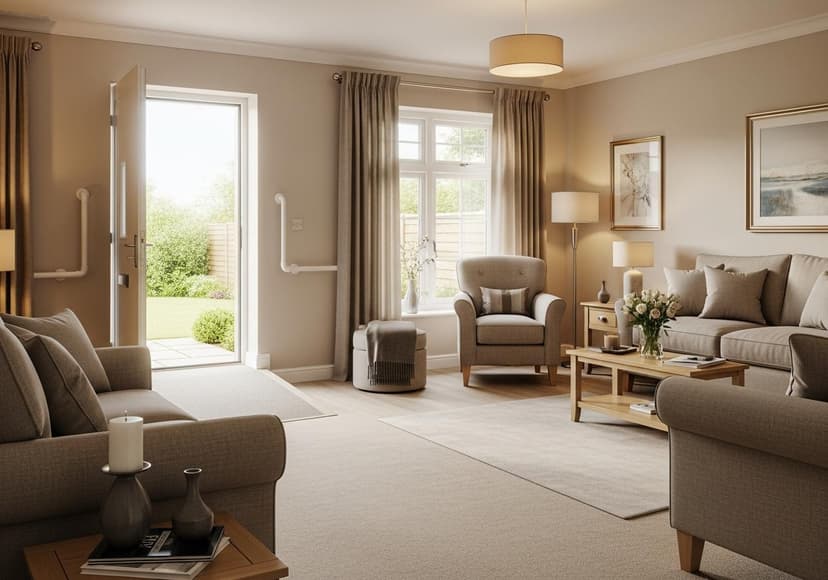
Adapting Homes For Elderly Residents
Modifying living spaces enhances safety, comfort, and independence, supporting seniors' desire to age gracefully within their homes.
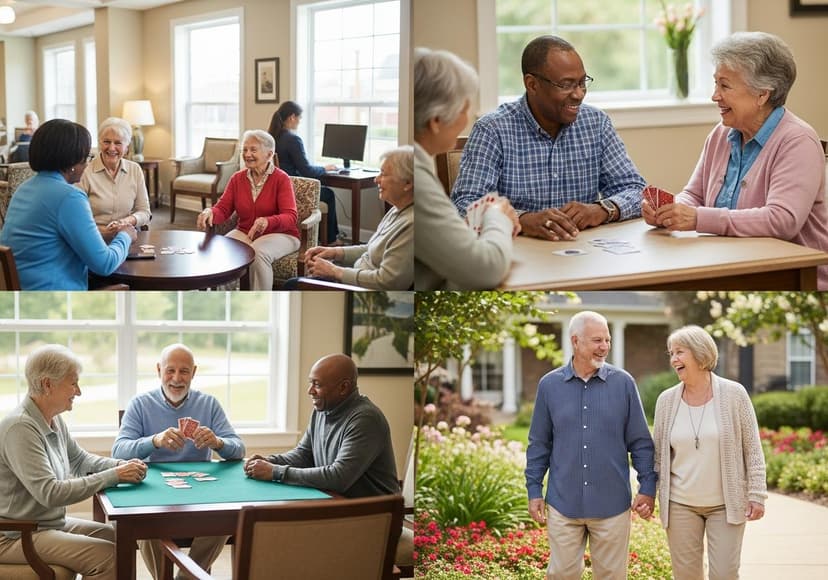
Benefits Of Senior Housing
Senior housing offers community, care, and support, promoting independence and well-being in a safe and comfortable environment.
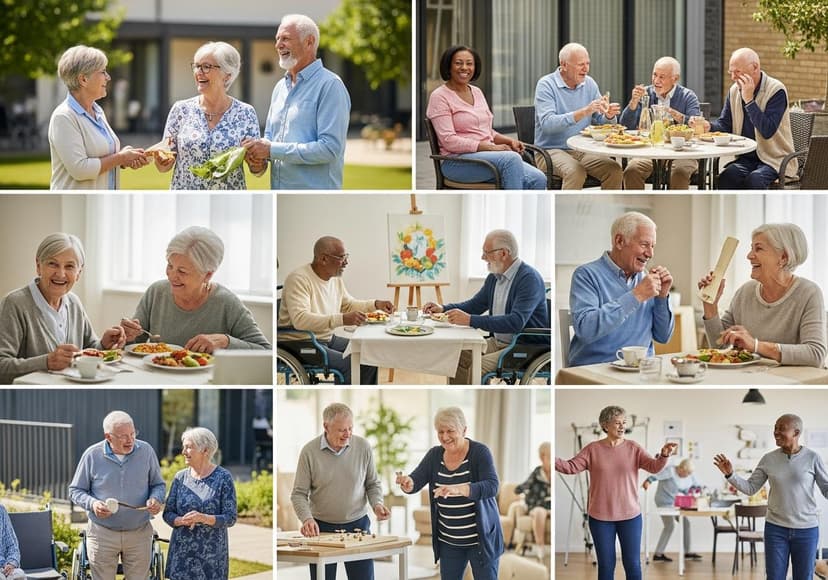
Benefits Of Senior Living
Comparing senior housing options, it offers tailored care, social engagement, and convenient, supportive environments for seniors.