Contractor Communication Essentials
Effective communication between contractors and stakeholders is vital for project success and achieving goals.
Understanding Communication Strategies
Effective communication strategies are the heartbeat of any successful contractor-client relationship. Building strong lines of communication allows contractors to convey their vision, while also understanding client needs and expectations. It's about more than just exchanging information; it's about creating a dialogue that fosters trust, transparency, and collaboration.
Tools such as project management software can significantly enhance communication. These platforms help in organizing all communication and documentation, making it easier for teams to stay connected and informed. Regular updates and interactions ensure that clients feel valued and are kept in the loop.
The Role of Bid Proposals
A well-structured bid proposal is not just about pricing; it’s an opportunity to showcase your communication style. When crafting bid proposals, ensure that they clearly articulate your understanding of the scope of work. This includes describing the tasks, materials, timelines, and costs involved in the project.
By demonstrating a clear understanding of the scope of work in your bid proposals, you can set realistic expectations from the outset. This reduces confusion and potential conflicts down the line, ultimately fostering a more harmonious working relationship.
Managing Change Orders
Change orders are often a source of frustration in construction projects. When changes are necessary, effective communication is key for managing these adjustments. The better a contractor communicates about the need for a change, the smoother the process will be.
A dedicated process for handling change orders can protect you and your client. This includes clear documentation, timely updates, and transparent discussions on how changes might impact project scheduling and costs. Keeping this communication open can prevent misunderstandings and enhance overall project flow.
Navigating Contract Negotiation
A solid communication strategy becomes crucial during contract negotiation. It's important to express your needs while also understanding the client's expectations. This requires active listening, which can lead to mutually beneficial agreements and a more sustainable partnership.
Documenting agreements, outlining responsibilities clearly, and maintaining correspondence throughout negotiations can save time and reduce the risk of conflict. Effective communication during this phase can lay a foundation for success throughout the entire project.
Conflict Resolution Techniques
Conflicts can arise on any project, and having a strong conflict resolution strategy in place is essential. Open communication channels enable the early identification of issues, allowing for quick resolution before problems escalate.
Establishing a culture where team members feel comfortable discussing concerns fosters a proactive approach to conflict management. This can be further supported by improving contractor dialogue.
Effective Risk Management
Good communication is integral to effective risk management. Contractors should regularly communicate potential risks to clients, whether related to budget, timelines, or unanticipated challenges. This proactive engagement not only builds trust but also allows for creating contingency plans that can mitigate risks effectively.
Keeping clients informed of potential issues aids in managing their expectations and can turn potential pitfalls into collaborative problem-solving opportunities.
Client Communication
Regular client communication is crucial for maintaining a good rapport and keeping projects on track. This could include weekly progress updates, phone calls to discuss issues, or emails that check in on client satisfaction.
The more involved clients feel in the process, the more likely they are to be satisfied with the outcome. They appreciate transparency, and regular updates foster a sense of trust in your abilities as a contractor.
Effective Project Scheduling
Project scheduling is a highly collaborative process that requires input from various stakeholders. Clear communication about timelines and deadlines is essential. Use project management tools to share schedules effectively and ensure that everyone is on the same page.
When scheduling projects, consider hosting regular meetings to discuss timelines, progress, and any adjustments that need to take place. This keeps communication lines open and reassures clients that their priorities are important to you.
Progress Reports as a Communication Tool
Progress reports are an excellent way to maintain ongoing communication. These reports keep clients updated on the status of their projects, highlighting completed milestones and any areas of concern. They help in managing expectations and allowing clients to see how their vision is coming to life.
By incorporating visual aids, diagrams, or photographs into your progress reports, you can enhance understanding and engagement, making your communications even more effective.
Billing and Invoicing Clarity
Clear billing and invoicing processes are essential in fostering trust with clients. Ensure your invoices are detailed and align with the agreed terms of the contract. Communicating about costs transparently helps mitigate potential arguments over payments.
Regular discussions about financials not only build trust but also allow for immediate addressal of any discrepancies or concerns. By making sure the client understands everything regarding the financials, you keep your professionalism intact.
In conclusion, mastering contractor communication essential strategies leads to successful projects and lasting relationships. Embrace technology, prioritize transparency, and engage in open dialogues to enhance your communication efforts. For more insights on effective contractor communication, check out this article.

Posts Relacionados
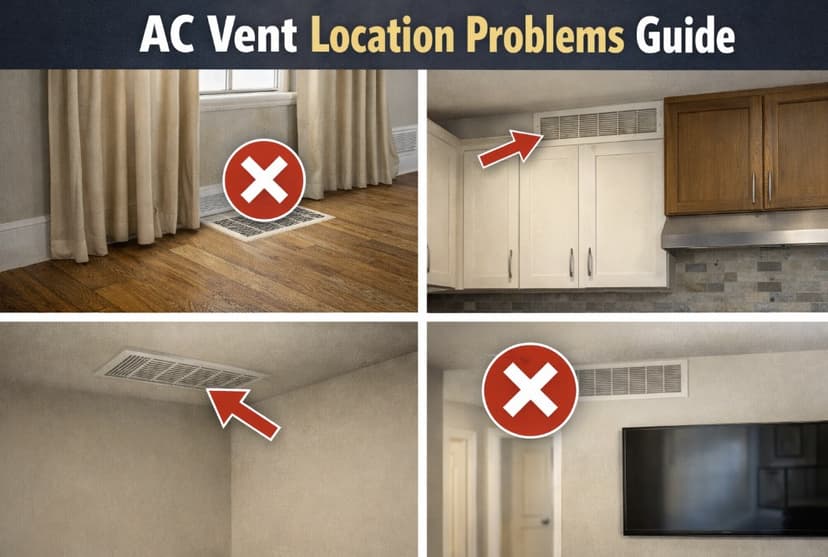
Ac Vent Location Problems Guide
Improper placement causes uneven temperatures, poor airflow, and reduced energy efficiency. Identify these issues for optimal comfort.
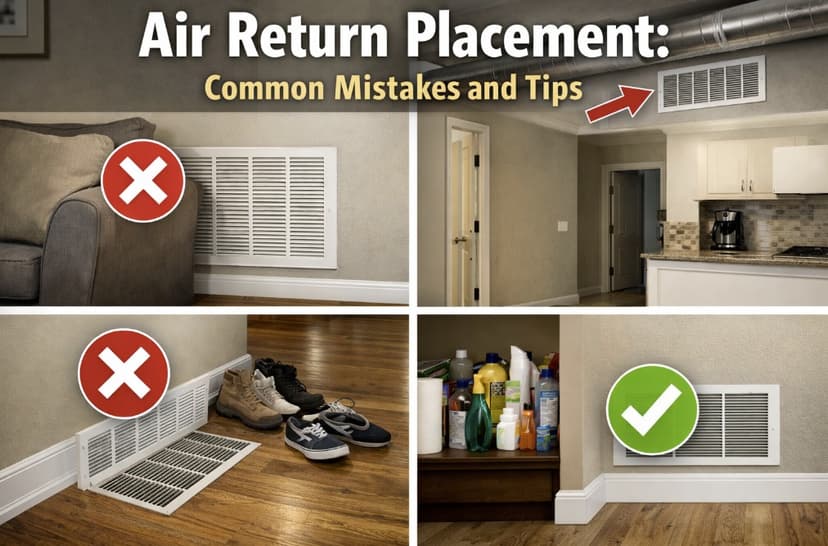
Air Return Placement Common Mistakes And Tips
Improper placement causes poor airflow, energy waste, and discomfort; avoid these mistakes for optimal HVAC performance.
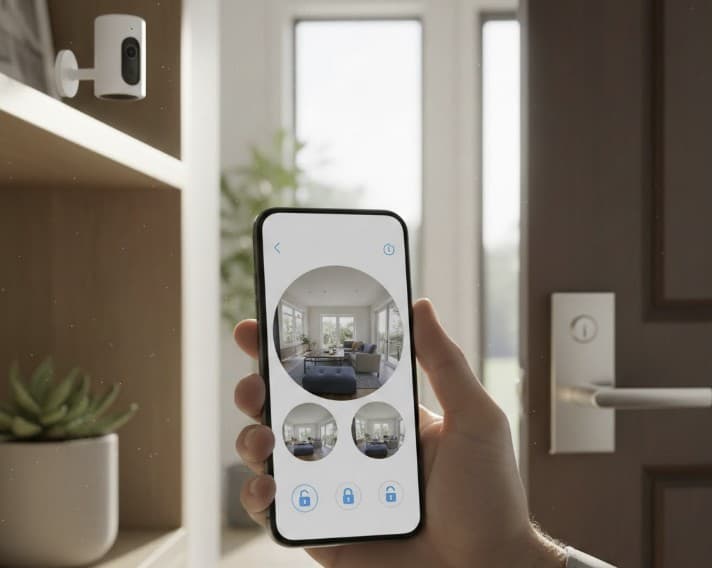
Choosing The Right Smart Security Overview
Selecting the best smart security system means evaluating features, assessing needs, and ensuring reliable home protection.