Contractor Safety Protocols
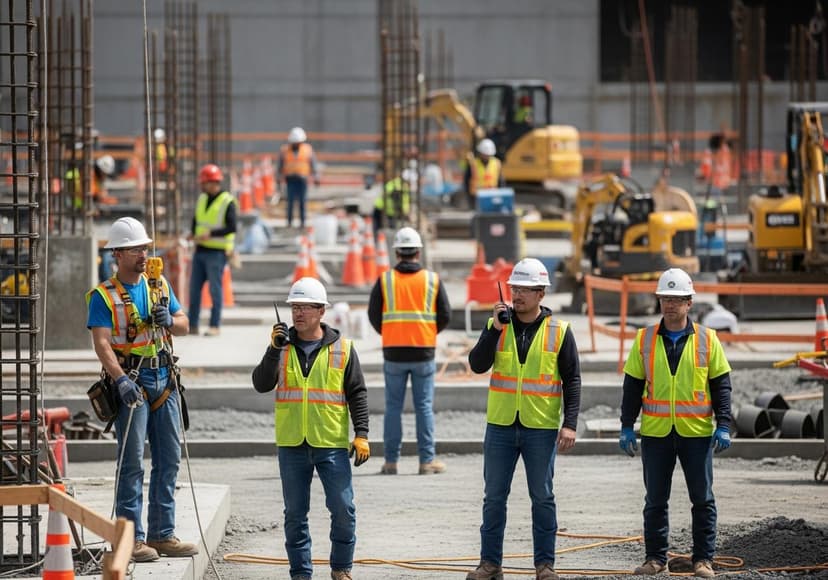
Effective contractor coordination demands clear communication, comprehensive planning, and rigorous adherence to established safety procedures.
Introduction to Contractor Safety
Contractor safety is paramount in ensuring that all workers remain protected while on the job. In high-risk environments such as construction sites, adhering to strict safety protocols can mean the difference between life and death. As a contractor or a business owner managing construction projects, understanding the various safety protocols in place, especially those related to excavation safety, is essential. It’s not just about compliance; it’s about fostering a culture of safety that prioritizes the health and well-being of every individual on site.
The Importance of a Site Safety Plan
A well-structured site safety plan is fundamental in laying down the groundwork for safe operations on construction sites. This plan serves as a blueprint that outlines the safety measures contractors need to follow. Not only does it encompass guidelines for excavation safety, but it also integrates key aspects such as risk assessment and personal protective equipment (PPE) requirements. A thorough site safety plan helps in identifying potential hazards and ensures that every worker is on the same page regarding safety protocols. Learn more about effective contractor coordination.
Risk Assessment: The First Step Towards Safety
Before any construction or excavation work begins, performing a risk assessment is crucial. This process involves identifying potential hazards that could arise during the project, whether it's from excavating deep trenches or working in confined spaces. Understanding these risks allows contractors to implement appropriate safety measures such as fall protection and hazard communication strategies. By proactively addressing potential risks and planning for them, contractors can create a safer working environment for all.
Fall Protection: Keeping Workers Safe
Fall protection is one of the primary concerns in excavation safety. With workers operating at great heights or near edges, it's essential to implement stringent fall protection measures. This includes the use of guardrails, safety nets, and personal fall arrest systems. Workers should receive proper safety training on how to use this equipment effectively. Regular inspections should also be conducted to ensure that all fall protection measures remain compliant and functional.
The Role of Safety Training
Adequate safety training for contractors and workers cannot be overstated. Training programs should cover various topics, including excavation safety, electrical safety, scaffolding safety, and proper use of personal protective equipment. Regular training sessions help keep safety protocols fresh in employees' minds and prepare them to handle emergency situations should they arise. A well-informed workforce is less likely to encounter accidents, thus improving overall site safety.
Hazard Communication: Clarity is Key
Hazard communication is a vital component of contractor safety protocols. Workers must be aware of any hazardous materials present on-site and how to handle them safely. This typically involves making Safety Data Sheets (SDS) accessible and training employees on how to interpret them. By fostering good communication regarding potential hazards, contractors can mitigate risks and ensure that safety remains a shared responsibility among all team members. For more insights on effective safety communication, check out communication tips for contractors.
Confined Space Entry: A Specialized Protocol
Working in confined spaces brings unique safety challenges that require specialized protocols. Before any work in confined areas occurs, contractors must develop a confined space entry plan that includes ventilation, atmospheric testing, and emergency rescue plans. Employees should be trained specifically for these scenarios. Regular drills and simulation practices can prepare workers for any potential incidents that could happen while they work in these high-risk environments.
Electrical Safety: Protecting Against Electrocution
Another critical area in contractor safety protocols is electrical safety. Electrical hazards present significant risks on construction sites, particularly during excavation projects. Contractors should ensure that all electrical equipment is properly maintained and that grounding techniques are in place. Workers should also have access to safety training focused on recognizing risks and responding appropriately to electrical hazards. Regular safety audits can help to identify potential electrical issues before they become critical.
Scaffolding Safety: Ensuring Stability
Scaffolding safety is a pivotal aspect of ensuring contractor safety, particularly on larger excavation projects. Scaffolding must be stable and properly erected, with all workers trained in following safety protocols. Regular inspections are necessary to ensure that scaffolding remains safe for use and to prevent accidents. In addition, contractors should have clear guidelines on the criteria for erecting and dismantling scaffolding to minimize hazards associated with falls.
Excavation Safety: Best Practices
Excavation carries unique risks that must be addressed specifically. Best practices in excavation safety include identifying underground utilities before digging, implementing shoring and bracing, and ensuring that all workers are trained on excavation safety protocols. Moreover, good site management involves regular communication with all staff about ongoing excavation work. Proper excavation safety ensures that projects run smoothly and that all workers can safely carry out their tasks.
Incident Investigation: Learning from Mistakes
No safety protocol is foolproof; accidents can happen. An effective incident investigation is vital to improving contractor safety. After an incident occurs, it's essential to conduct a thorough investigation to understand the root causes and to prevent similar occurrences in the future. This process should involve all levels of staff, as collective insights often reveal solutions that may have been overlooked. Using data from past incidents can also help shape future training and safety protocols, continuously improving the level of safety on-site.
Conclusion: Cultivating a Safety-First Culture
In conclusion, contractor safety protocols are essential for ensuring the well-being of workers, especially when it comes to excavation safety. By developing a robust site safety plan, conducting risk assessments, providing comprehensive safety training, and maintaining open lines of communication, contractors can help cultivate a culture of safety that minimizes accidents and injuries. It’s crucial for all contractors to take these protocols to heart, ensuring everyone goes home safe at the end of the day.
Posts Relacionados
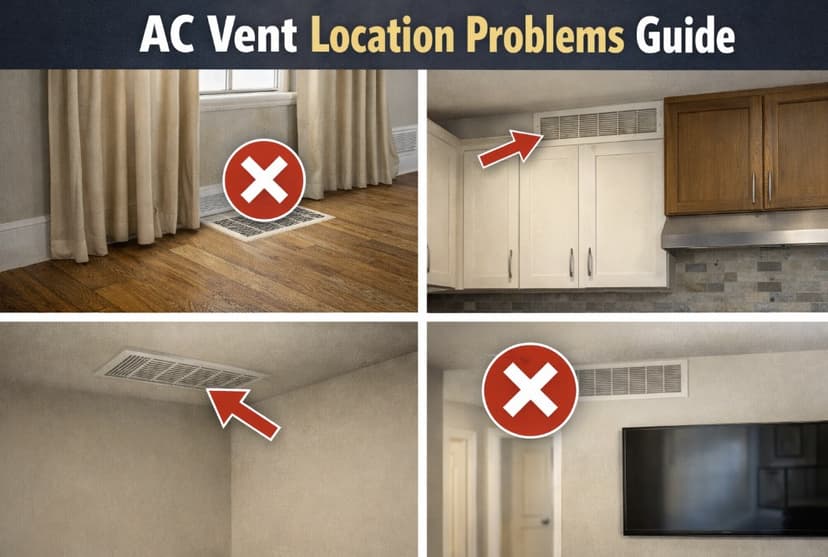
Ac Vent Location Problems Guide
Improper placement causes uneven temperatures, poor airflow, and reduced energy efficiency. Identify these issues for optimal comfort.

Air Return Placement Common Mistakes And Tips
Improper placement causes poor airflow, energy waste, and discomfort; avoid these mistakes for optimal HVAC performance.

Choosing The Right Smart Security Overview
Selecting the best smart security system means evaluating features, assessing needs, and ensuring reliable home protection.