Contracts In Senior Housing
Legal agreements in senior housing address residency, care, and financial obligations, ensuring resident rights and provider responsibilities.
Introduction to Senior Housing Contracts
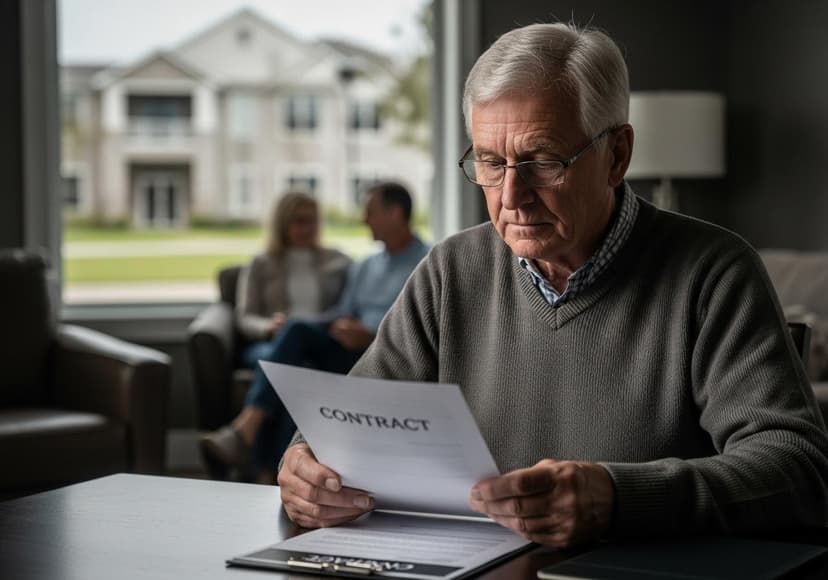
As we grow older, the prospect of finding suitable housing becomes increasingly important. Contracts in senior housing can often be confusing. Understanding the nuances of Senior Housing Contracts can make the transition smoother for you and your loved ones. These agreements detail the rights and responsibilities of both parties involved—namely, the resident and the facility. It's crucial to grasp various types of contracts such as Long-term Care Agreements, Assisted Living Contracts, and others specific to different types of senior housing options.
Types of Contracts in Senior Housing
Senior housing can take various forms, and each comes with its unique contract types. For instance, Continuing Care Retirement Communities (CCRCs) involve contracts that cover a range of living accommodations—from independent living to nursing care. Understanding these different types is essential for effective Estate Planning. This ensures an accurate representation of what is included and what costs may apply.
Another common type of agreement is the Nursing Home Admissions Agreement, which outlines the terms for those seeking more comprehensive care. Additionally, the Resident Agreements detail rights related to residents’ personal care, privacy, and any potential concerns that may arise in the facility.
Financial Aspects of Senior Housing Contracts
The financial implications of entering a senior housing arrangement can be significant. Contracts often include various fees such as Facility Fees, Entrance Fees, and Community Fees. Entrance fees in particular can represent a substantial upfront cost, which covers the initial services provided by the facility.
Understanding what your fees contribute to is vital for your Financial Planning. Many residents wrongly assume that all costs are covered in a flat fee, but it’s crucial to ask specifics regarding the extent of coverage. For instance, some facilities might list basic services separately, requiring additional costs should you need more personalized or extensive care.
Legal Concerns and Seeking Legal Advice
In the realm of senior housing, navigating the legal landscape can feel daunting. Seeking professional Legal Advice is wise before signing any contracts. A skilled attorney can help decipher the terminology, ensuring you understand every clause. Many contracts can be lengthy and loaded with complicated jargon. So having legal counsel ensures you won’t overlook critical details which could impact your rights as a resident.
You can learn more about the legal facets of senior housing by checking out this informative article. Understanding potential pitfalls can help you avoid issues down the road, particularly when it comes to transitioning between care levels.
The Role of Estate Planning in Senior Housing
When individuals contemplate long-term care and senior housing options, it’s crucial to integrate these thoughts into wider Estate Planning. Having a comprehensive plan that includes your housing needs ensures your family is on the same page, reducing the risk of disputes or confusion later. Estate planning should reflect your desires regarding your healthcare, finances, and living arrangements.
Many seniors might overlook the importance of how their living situation impacts will and estate decisions. This aspect should be thoroughly addressed, particularly when entering agreements with CCRCs or assisted living facilities. Issues like property taxes, home values, and insurance implications can significantly impact the overall estate, making prior planning imperative.
Common Misunderstandings About Senior Housing Contracts
Many misunderstandings surround senior housing. One common myth is that all facilities offer the same level of transparency in their contracts. It’s essential to find a facility reputable for their Resident Agreements and that provides clarity on services and care types. Not all senior housing is created equal, and being overly reliant on surface-level information can lead to unfortunate surprises.
Another misconception is that long-term contracts are not negotiable. Flexibility often exists in contracts concerning fees and services. Having a skilled lawyer help in negotiations can open doors to better terms and ensure that your needs are met within your financial framework. You can read more about this dynamic in a concise overview of senior housing legal documents here.
Choosing the Right Senior Housing Facility
Selecting the appropriate senior housing facility can be an overwhelming task, but one that requires careful consideration, especially regarding contracts. It’s wise to tour multiple facilities, asking specific questions about their contracts, fees, and resident rights. Don’t shy away from requesting documented policies; a reputable facility will provide this information willingly.
Gathering brochures and conducting comparative analyses on expected costs and services is also advisable. This practice can arm you with valuable data to discuss during legal consultations, setting clear expectations on what to anticipate concerning Long-term Care Agreements and other contracts.
How to Prepare for a Senior Housing Transition
Transitioning into senior housing is not just a logistical upheaval; it’s an emotional journey, too. To ease this transition, start preparing early. Engage your family in discussions about potential housing choices, ensuring that everyone understands the necessary legal documentation involved, including contracts. Explore options with professionals specializing in senior housing to gain insight into what lies ahead.
Creating a financial strategy is equally as essential during this transition. Speak with a financial planner who has experience with senior care. They can provide valuable advice related to budgets, potential hidden costs, and fulfilling obligations within your current financial setup.
Final Thoughts
In conclusion, understanding contracts in senior housing is not only about navigating legal language; it's about laying down a solid foundation for your future. Contracts such as Nursing Home Admissions Agreements and Assisted Living Contracts form the structure for how care is administered and ensures that you have the services you need as you age.
By engaging in thorough Financial Planning and seeking Legal Advice, and actively managing your Estate Planning, you'll make informed decisions that could safeguard your future and well-being.

Posts Relacionados
Breach Of Contract What To Do
If contract terms are violated, review rights for independent living. Seek legal counsel immediately to resolve.

Contractor Agreement Pdf
This document outlines the standard terms and conditions for a blank agreement, ensuring legal compliance and providing clarity.

Creating A Power Of Attorney
Estate planning involves legal documents ensuring assets are managed and distributed according to your wishes.