Design Build Project Planning
Design build services streamline construction. Integrated approach enhances efficiency. This method benefits projects immensely, overall.
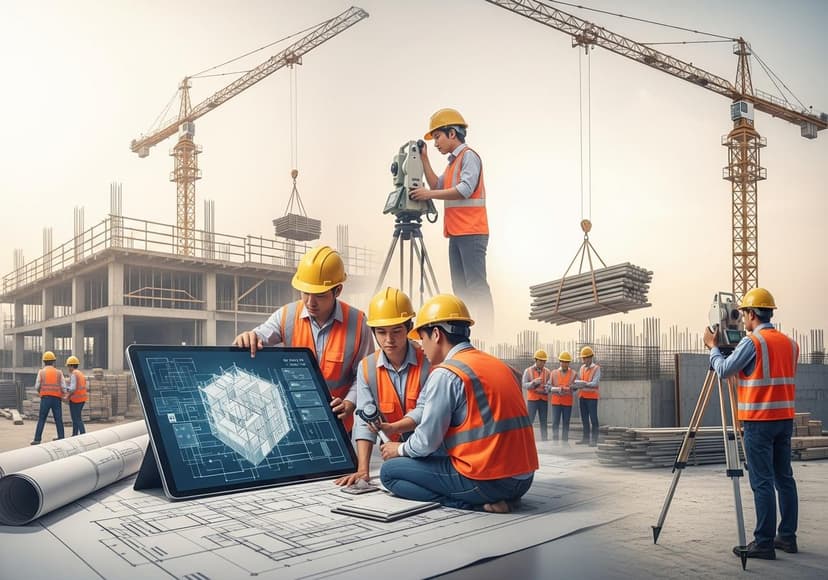
The landscape of construction has evolved, and so has the approach to project management. One such approach that has gained significant traction is Design Build. This methodology integrates both the design and construction phases, allowing for a streamlined process that can result in greater efficiency and effectiveness. In this blog post, we will explore crucial aspects of Design Build Project Planning and introduce key elements such as Design Build Services, cost estimation, and quality control.
The Importance of Project Planning
Before diving into any construction project, effective Project Planning is essential. This involves outlining the objectives, scope, resources, timelines, and budget. Taking the time to plan well can greatly influence the execution of the project and its final outcome. When using design build, the collaborative culture minimizes misunderstandings that can lead to delays or increased costs.
Cost Estimation: Knowing Your Budget
Another critical aspect of Design Build Project Planning is Cost Estimation. A well-thought-out budget captures everything from materials to labor costs. The strong collaboration between designers and builders makes it possible to develop realistic estimates. Accurate cost estimation is a major factor that ensures the project remains financially viable while also allowing for resource allocation without waste.
Construction Management: Leading the Charge
Once planning is underway, Construction Management comes into play. This involves overseeing the construction process, coordinating various responsibilities, and ensuring things flow smoothly. A well-managed construction project adheres to its timelines, stays within budget, and meets quality expectations, which aligns closely with our focus on quality control.
Choosing the Right Location: Site Selection
Site Selection is a pivotal step that can significantly impact the project’s success. Factors to consider include accessibility, zoning laws, environmental impacts, and proximity to required services. Proper site selection allows for smoother execution and addresses any risks before construction begins. Therefore, this part of the planning should not be underestimated.
Crafting the Vision: Architectural Design
Effective project planning includes a comprehensive approach to Architectural Design. Good design is not just about aesthetics; it addresses functionality, safety, and how a building integrates within its environment. Collaborating closely with architects ensures that every detail is assessed early in the planning phase, significantly contributing to overall quality control.
Engineering Design: The Technical Backbone
Complementing architectural design is Engineering Design. This focuses on making sure the structural elements are sound and meet safety standards. Structural integrity is paramount in construction, and thus, the engineering aspect of the design build approach ensures that even the most intricate details are thoroughly planned out for safety and efficacy.
Permitting: Gaining Approval
No construction project can commence without appropriate permits. The permitting process can be a tangled web of paperwork and regulations that often derail timelines if not adequately addressed. A skilled team within the design build framework can tackle the Permitting process efficiently, ensuring that all approvals are secured before construction commences.
Subcontractor Management: Keeping Teamwork Smooth
In addition to general contractors, many projects require Subcontractor Management for specialized tasks. Proper coordination of these subcontractors dictates how smooth the subsequent processes will go. Subcontractor management ensures that tasks are completed on time and to the expected quality, all integral aspects of effective quality control.
Mitigating Issues: Risk Management
Construction projects are often fraught with uncertainty; hence, effective Risk Management is crucial. This means identifying potential problems early and outlining contingency plans. Risk management strategies include contract negotiations, training for safety, and having insurance in place to mitigate concerns before they evolve into issues that affect timelines or budgets.
Staying on Track: Schedule Management
\Schedule Management is another essential component of design build project planning. Ensuring that timelines are adhered to minimizes costs and maximizes resource allocation. A clear schedule lets everyone know where they need to be at any given time, thus significantly improving communication and overall quality.
Ensuring Excellence: Quality Control
Ultimately, no project should compromise on the quality of construction. This brings us to the crux of our discussion: Quality Control. This entails putting in place measures that ensure the project meets or exceeds the predefined standards. From the initial design phases through to project completion, rigorous quality assessments at every stage are necessary to avoid setbacks and ensure client satisfaction.
The Benefits of Choosing Design Build
Exploring the benefits of design build projects reveals a multitude of advantages, including faster delivery times and streamlined communication between teams. By minimizing the traditional separation between contractors and architects, inherent delays in decision-making and additional costs can be positively impacted.
Understanding the Difference: Design Build vs. Traditional
For anyone considering different construction methodologies, it’s important to understand the distinctions. The differences between Design Build and Traditional methods can greatly affect project planning. Design build promotes collaboration and shared responsibility, whereas traditional methods often see a more fragmented process. This understanding can guide better project upward and thus, more effective quality control.
Conclusion: Your Path to Success with Quality Control
As we’ve explored, Quality Control is a driving element in successful Design Build Project Planning. From initial planning stages through to execution and inspection, every layer must focus on quality to ensure successful project completion. Embracing best practices in cost estimation, site selection, management, and overall collaboration will resonate through the project and yield results that align with your vision and goals.
Posts Relacionados
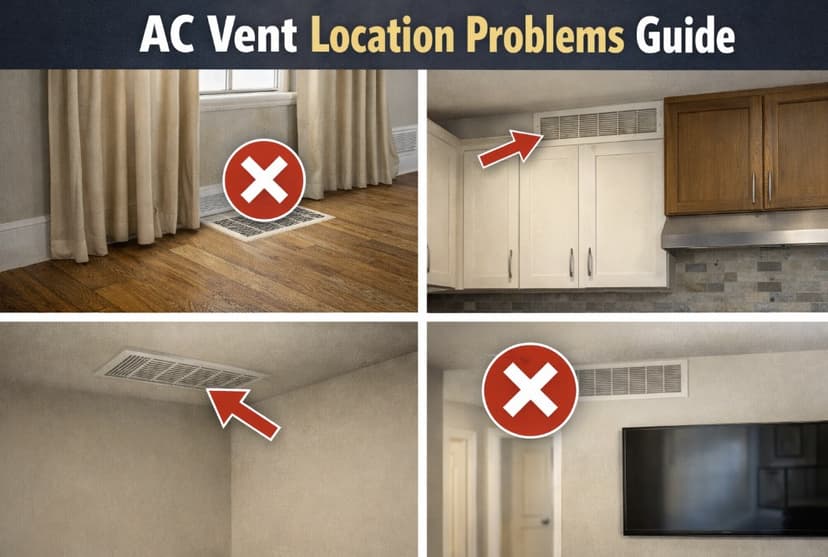
Ac Vent Location Problems Guide
Improper placement causes uneven temperatures, poor airflow, and reduced energy efficiency. Identify these issues for optimal comfort.
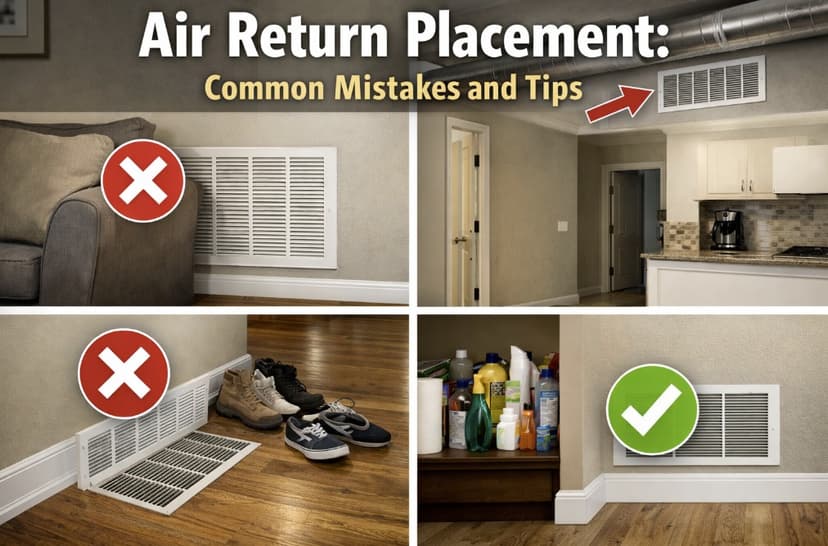
Air Return Placement Common Mistakes And Tips
Improper placement causes poor airflow, energy waste, and discomfort; avoid these mistakes for optimal HVAC performance.

Choosing The Right Smart Security Overview
Selecting the best smart security system means evaluating features, assessing needs, and ensuring reliable home protection.