Fire Safety Guidance For Older Adults
Older adults can prepare for fire emergencies by having working smoke detectors and escape plans for safety.
Why Is Fire Safety Important For Seniors?
Fire safety is an essential subject for everyone, but it's particularly crucial for older adults. The elderly often have mobility issues or health conditions that can make it harder for them to respond quickly during an emergency. Understanding fire safety for seniors can help them stay safe in their homes or retirement facilities. By being proactive about preventing fires in senior homes, we can significantly reduce the risks associated with fire hazards.
Understanding Elderly Fire Risks
Did you know that older adults are more susceptible to fires? According to the National Fire Protection Association, they are twice as likely to die in a fire compared to the general population. Factors such as limited mobility, sensory impairments, and use of assistive devices can all contribute to this increased risk. It's essential to examine elderly fire prevention methods to ensure they have a safe living environment.
Home Fire Safety For Seniors
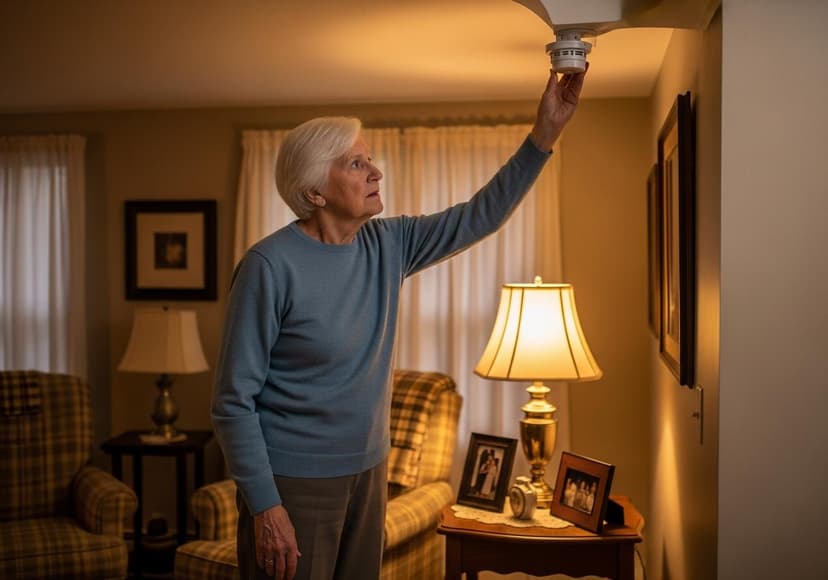
When it comes to home fire safety for seniors, there are various steps that can be taken to make sure their living situations are fire-resistant. Installing smoke detectors is fundamental. Many modern smoke detectors also come with features specifically for seniors, such as loud alarms or vibration alerts. Moreover, regular maintenance checks to ensure these smoke detectors are functioning properly can make a significant difference.
Senior Fire Safety Tips
Let's discuss some straightforward but effective senior fire safety tips. One major point is to never leave cooking unattended, as cooking fires are the leading cause of home fires. Additionally, it's wise to keep flammable materials, like kitchen towels and paper products, away from the stove. Setting reminders to check that appliances are turned off before leaving the house can also help reduce risk.
Cooking Fire Safety For Seniors
Cooking is an everyday activity, but it also comes with its dangers. To ensure cooking fire safety for seniors, seniors should keep kitchen surfaces clear of clutter and cautiously handle pots and pans. Using timer alerts for when food is ready can serve as a helpful reminder to check on meals. Additionally, it’s best to avoid wearing loose clothing while cooking to prevent any potential flames from catching onto fabric.
Creating a Fire Escape Plan For Seniors
One of the most crucial aspects of senior citizen fire safety is having a well-thought-out fire escape plan. This plan should include two exits from each room and a designated meeting place outside. Seniors should practice this plan with family members or caregivers to ensure they understand the route and the steps they need to take. Don’t forget to reevaluate and revise your escape plan as necessary!
Fire Safety In Retirement Homes
Fire safety in retirement homes is another critical area of concern. These facilities should follow strict fire codes, and residents must be aware of the safety measures in place. Regular fire drills can help prepare older adults and staff for an actual emergency. Residents should also have easy access to their own smoke detectors for elderly and understand how to report a fire to the staff promptly.
Elderly Home Fire Safety Checklist
To ensure that everything is in order, seniors can create a fire safety checklist for seniors. This checklist may include items such as:
- Check smoke detectors monthly
- Keep flammable materials stored safely
- Review the fire escape plan periodically
- Secure electrical cords to avoid tripping hazards
- Keep a fire extinguisher within easy reach
- Check smoke detectors monthly
- Keep flammable materials stored safely
- Review the fire escape plan periodically
- Secure electrical cords to avoid tripping hazards
- Keep a fire extinguisher within easy reach
Preventing Fires In Senior Homes
Preventing fires in senior homes involves both awareness and action. Families and caregivers should take the time to educate senior residents about fire hazards. Items like decorative candles, space heaters, and faulty wiring are common culprits that can lead to dangerous situations. Also, assessing the environment for potential risks and making necessary adjustments can help in establishing a safe living space.
Smoke Detector Maintenance
The best-laid safety plans can be drastically undermined by malfunctioning smoke detectors. Hence, proper maintenance is crucial. Seniors should replace batteries at least once a year, or whenever a detector chirps to indicate low battery. Family members or caregivers can schedule regular check-ups to ensure that these devices are working correctly. Installing devices that allow for remote monitoring can also be beneficial.
Safe Use of Electrical Appliances
Seniors often rely on various electrical appliances, from microwaves to mobility aids. However, these necessary devices can pose risks if not used properly. It's essential to inspect cords for damage and avoid overloading electrical outlets. Understanding how to operate each device and keeping maintenance records can significantly enhance home safety.
Emergency Contact List
An emergency contact list placed prominently can be invaluable. It should include family members, friends, and local emergency services. In case of a fire or other emergencies, this list will ensure that seniors can quickly reach out for help. Encourage seniors to maintain this list updated and visible to all who may need it, including caregivers and visitors.
Educating Seniors on Fire Hazards
Education is a powerful tool in elderly fire prevention. Discussing common fire hazards in the home can better prepare seniors to spot them. Offer demonstrations on fire safety practices, such as proper stove use, and encourage questions. Engaging in open conversations about fears and past incidents can help in dealing with anxiety surrounding fire safety.
Final Thoughts on Fire Safety for Seniors
In conclusion, prioritizing fire safety guidance for older adults is a crucial step toward ensuring their well-being. Regular education, effective safety practices, and up-to-date technology can create a safer environment for seniors. Families can support their loved ones in navigating this critical aspect of life. By taking measures such as implementing a fire safety checklist for seniors, we can act as their first line of defense against the dangers of fire.
Posts Relacionados

Aging And Emergency Response Systems
Effective senior emergency systems provide swift aid, ensuring safety during crises, facilitating timely response, and supporting vulnerable individuals.
Assistive Devices For Seniors Safety
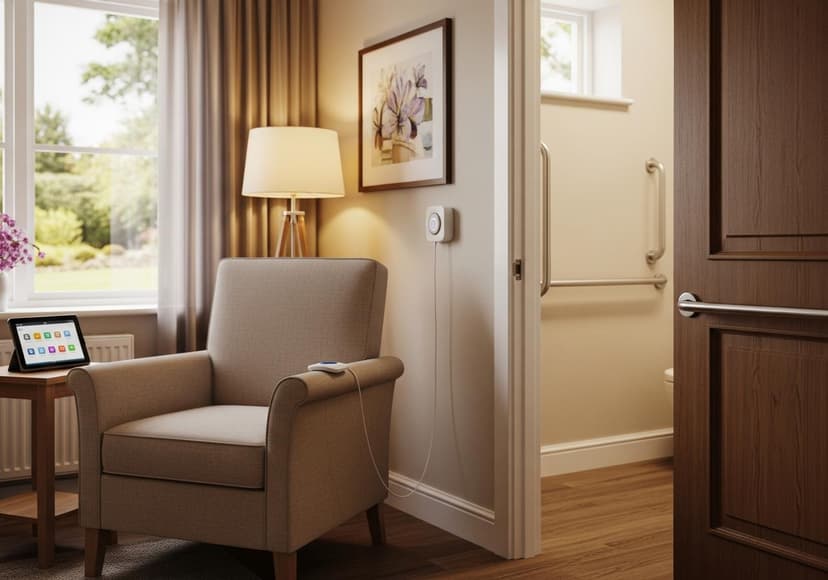
Home safety solutions, including mobility aids and fall detection, enhance senior independence while mitigating risks effectively.
Emergency Planning For Elderly Homes
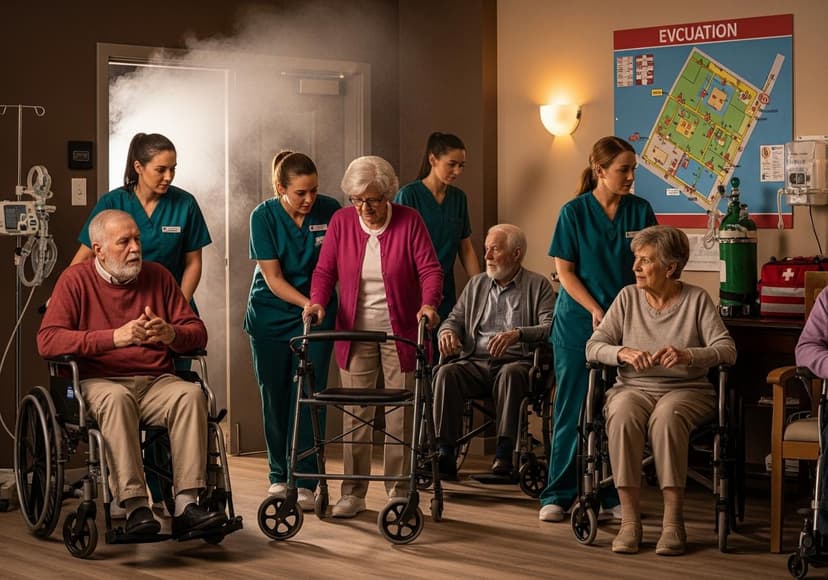
Prepare residents, staff, and facilities. Establish protocols. Practice drills. Maintain communication during senior housing emergencies.