Grounding And Bonding Techniques Guide
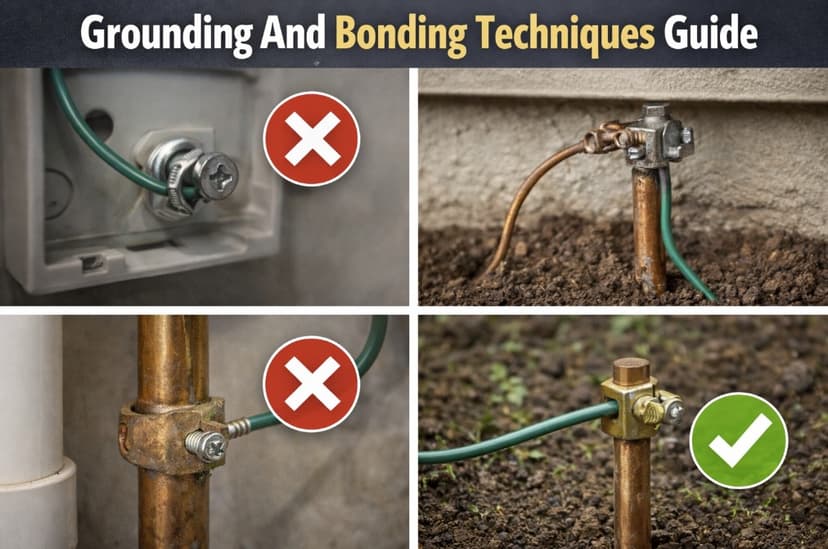
Electrical grounding and bonding ensures safety by providing a low-impedance path for fault currents to return.
Understanding Electrical Grounding
Electrical grounding is a critical safety feature in electrical installations. It involves connecting the electrical system to the earth, allowing for safe dissipation of electrical currents that could pose hazards. The primary purpose of equipment grounding is to protect both people and equipment from electrical failures. A well-designed grounding system minimizes the risk of electrical shocks, surges, and ground faults, creating a safer environment.
The Electrical Grounding Safety guide emphasizes the importance of proper grounding practices to ensure compliance with safety standards. If your grounding system is poorly designed or improperly maintained, you could face electrical hazards that can lead to accidents. Understanding the fundamentals of grounding is essential for both residential and commercial electricians.
Grounding Techniques
There are several grounding techniques used in electrical installations, each serving its specific function. One of the standard methods is to install a grounding electrode like a grounding rod driven into the earth. This method effectively channels excess electrical energy safely into the ground.
Alternate grounding methods can be employed depending on the soil conductivity and the system's complexity. For example, some installations may opt for a ground plate or ground ring connected to a series of conductors, significantly improving the grounding effectiveness. For a detailed exploration of grounding systems and their varied applications, check out this informative article on grounding system types and functions.
Types of Grounding Systems
Grounding systems are categorized into two main types: solidly grounded and ungrounded systems. A solidly grounded system directly connects the system neutral to the earth, ensuring any fault currents flow directly to the ground. In contrast, ungrounded systems do not connect to the earth and often rely on other methods for safety.
It's essential to choose the right grounding system to match the electrical installation's requirements and comply with local codes. Adhering to standards is vital because improper grounding can escalate to severe consequences, such as equipment failure or electrical fire risks. For further reading on grounding code requirements, visit Electrical Grounding Code Compliance.
Bonding Techniques
Bonding is another critical aspect of electrical safety that works in conjunction with grounding techniques. Bonding involves connecting all non-current-carrying conductive parts of a system to create a safe path for fault currents. This helps ensure that in the event of a fault, dangerous voltages do not build up on non-current-carrying parts of the system.
A bonding jumper is often used to connect various metallic parts and structures, providing a low-resistance path for fault currents while also reducing the risk of electric shock. Proper bonding is essential for maintaining a safe electrical environment in both residential and commercial setups.
The Role of Grounding Conductor
The grounding conductor plays a pivotal role in the overall grounding system. It is responsible for connecting the grounding electrode to the electrical system, ensuring that excess electrical energy can flow safely into the earth. Having an adequately sized and connected grounding conductor is crucial for preventing electrical hazards and ensuring the effectiveness of your grounding system.
Understanding the specifications related to the grounding conductor, such as its material, size, and connection points, can greatly impact your electrical safety. A properly sized grounding conductor minimizes the risk of overheating and potential failures in the system. Inadequate grounding can lead to ground fault conditions, which can have dire consequences for both safety and equipment integrity.
Ground Faults and Their Prevention
A ground fault occurs when electricity unintentionally flows through the ground instead of its intended path. This can happen due to insulation failures or faulty equipment, leading to potentially deadly situations. Thus, prevention of ground faults becomes vital in electrical installation and maintenance.
To prevent ground faults, it is essential to ensure proper grounding and bonding throughout the system. Installing devices such as ground fault circuit interrupters (GFCIs) can also provide added protection. These devices can detect imbalances in electrical current and shut off the power, significantly reducing the risk of shocks. Regular maintenance and inspections of the grounding system are also recommended to identify and mitigate potential faults before they escalate.
Best Practices for Grounding and Bonding
Implementing best practices for grounding and bonding can significantly enhance safety and system performance. It is important to follow the National Electrical Code (NEC) and other related guidelines to ensure compliance. Conduct regular inspections and testing of grounding and bonding connections to identify any issues that may arise over time.
Additionally, educate all personnel involved in electrical work about the significance of effective grounding and bonding techniques. Knowledge sharing is key to cultivating a safer work culture, reducing the risk of electrical hazards and ensuring proper practices are upheld. This education should also extend to understanding the function of various components like the bonding jumper, grounding conductor, and other critical elements of the grounding system.
Conclusion
In conclusion, understanding and implementing effective grounding and bonding techniques are paramount for ensuring electrical safety. By focusing on proper grounding techniques, utilizing effective bonding methods, and adhering to safety standards, you can significantly mitigate electrical hazards. The installation of reliable ground systems coupled with proper maintenance can not only protect lives but also preserve valuable equipment. Remember, safety is not just a checkbox; it's an ongoing commitment to best practices in electrical work.
Remember to keep your knowledge updated by reviewing resources like the grounding system types and functions guide and others mentioned throughout this post. Until next time, stay safe and grounded!
Posts Relacionados
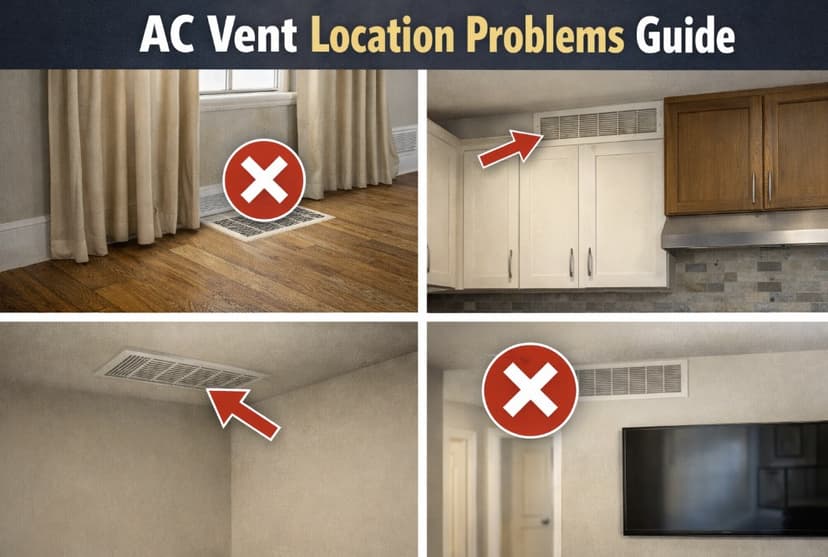
Ac Vent Location Problems Guide
Improper placement causes uneven temperatures, poor airflow, and reduced energy efficiency. Identify these issues for optimal comfort.

Air Return Placement Common Mistakes And Tips
Improper placement causes poor airflow, energy waste, and discomfort; avoid these mistakes for optimal HVAC performance.

Choosing The Right Smart Security Overview
Selecting the best smart security system means evaluating features, assessing needs, and ensuring reliable home protection.