How Blue Book Value Is Calculated
The Blue Book determines vehicle worth. It considers the model, age, mileage, and condition of a vehicle.
When it comes to determining the worth of your vehicle, understanding how the Blue Book Value is calculated is essential. The Blue Book, primarily represented by the Kelley Blue Book, provides a valuable point of reference for both buyers and sellers in the automotive market. So, how exactly is that number calculated? Buckle up, as we take a closer look at the factors that contribute to the car value you see on your screen.
What is Blue Book Value?
The Blue Book Value is a standard reference point used to assess the value of a used vehicle. This number helps you establish what your trade-in value might be when you're ready to sell or trade in your car. It’s critical to note that this isn't a simple price tag; rather, it's a dynamic figure that fluctuates based on various conditions and metrics in the market.
Factors Influencing Blue Book Value
The calculation of Blue Book Value is not arbitrary. It incorporates multiple factors that reflect both the individual vehicle and prevailing market trends. Generally, these factors include the car's make and model, year, mileage, condition, and location. For more comprehensive insights, you can visit this link that outlines the factors affecting Blue Book value in-depth.
Understanding Car Appraisals
Before you settle for a number, you might consider getting a car appraisal to determine your vehicle's worth more accurately. Appraisers will assess your vehicle's condition visually and mechanically, possibly adjusting the resale value according to their findings. This can give you a competitive edge when negotiating with potential buyers or dealerships.
The Role of Depreciation
Depreciation plays a significant role in determining used car prices. From the moment a new car rolls off the lot, it begins to lose its value — and rapidly. Understanding how depreciation affects vehicle valuation is crucial for both buyers and sellers. In general, cars depreciate faster within the first few years. If you want to learn more about depreciation, check out this detailed article: Understanding Blue Book Value.
Market Trends and Seasonal Effects
Another important aspect involved in Blue Book calculations is the concept of market value. This refers to what people are currently willing to pay for your car in your area. Seasonal demand can influence prices as well. For example, SUVs might have higher values during winter months when demand for four-wheel drives increases. Therefore, keeping an eye on local, regional, and national trends can give you better insights into the valuation process.
Nada Value vs. Kelley Blue Book
When comparing car values, people often mention both Nada Value and Kelley Blue Book. While Kelley Blue Book remains a trusted source for most individuals, NADA Guides provide an alternative perspective and may consider different factors, especially in trade-in scenarios. It’s wise to consult both sources to get a comprehensive understanding of what your vehicle is worth.
Online Car Value Tools
The digital age has revolutionized the way we assess online car value. There are numerous platforms and websites that provide instant evaluations based on inputted criteria. These tools often simplify the process, allowing you to receive a rough estimate without having to visit a dealership. It's an excellent way to gather initial information before making any significant decisions.
Using Blue Book Value for Trade-In
If you're looking to part ways with your vehicle, knowing its Blue Book value can be an invaluable asset during the trade-in process. It allows you to negotiate effectively, serving as concrete proof of value when speaking with dealerships or private buyers. Keep in mind that dealerships might offer slightly less than the Blue Book value, considering their need to cover costs and their profit margins.
The Importance of Vehicle Condition
Always remember that the overall condition of your vehicle plays a major role in determining its Blue Book value. A car that's been properly maintained can fetch a higher price than one with visible wear and tear. Before you get a true idea of your vehicle’s worth, it may be beneficial to invest in some minor repairs or detailing, enhancing its appeal both visually and mechanically.
Comparing Prices: How to Use Multiple Tools
When researching your vehicle's car value, you should consider cross-referencing multiple tools and resources. While Kelley Blue Book and NADA value can provide you with firm ground, local classifieds and online platforms can help you gauge used car prices in your area. Having a rounded view will help substantiate your asking price whether you’re selling or trading.
The Best Time to Sell
If maximizing your vehicle's value is your goal, timing your sale is quintessential. Various seasons can yield fluctuating values based on consumer demand. If your vehicle aligns with seasonal trends, you could potentially earn a better resale value. Selling during peak demand times often leads to more competitive pricing rather than waiting for the market to lag.
Using Blue Book Value for Buying
Conversely, when purchasing a vehicle, the Blue Book Value can guide you through fair pricing. Don't be shy about showing this information to sellers, which can also provide you leverage during negotiations. Knowing the Blue Book value gives you confidence, allowing you to make an informed decision rather than accepting what the seller says without question.
The Blue Book's Limitations
While the Blue Book value is a reliable guide, it’s important to note that it does not take into consideration every unique aspect of your vehicle. Factors like aftermarket modifications or unique features can affect its actual market price. Hence, it should not be your sole point of reference when evaluating your car's worth. Additional research is recommended to ensure you are fully informed.
Final Thoughts
Understanding how Blue Book Value is calculated can play a pivotal role in your car-selling or buying journey. From evaluating trade-in values to understanding vehicle valuation through depreciation and market trends, countless factors are at play. For a deeper dive into this subject or for tips, check out this article for practical advice. Knowledge is power, especially in the world of automotive sales!

Posts Relacionados

10 Best Crossover Suvs For Comfort
These crossover SUVs offer exceptional comfort, spacious interiors, and smooth rides for an enjoyable driving experience.
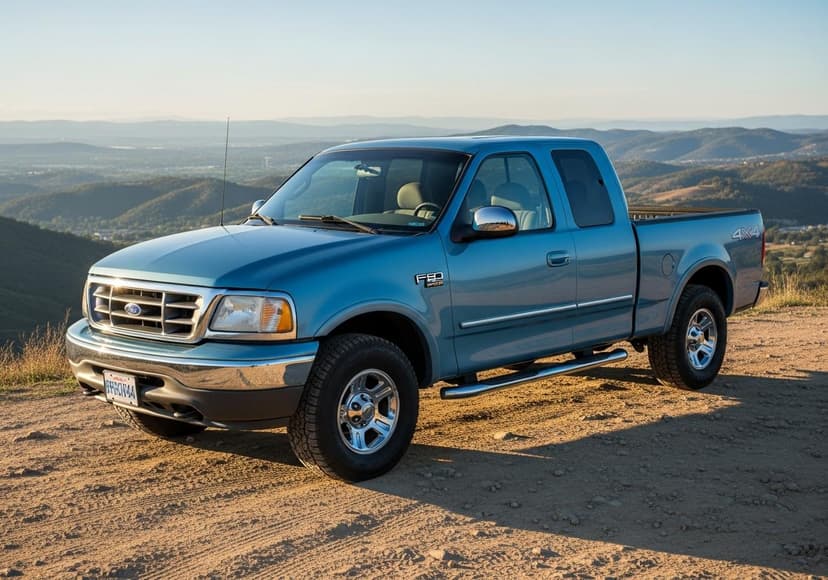
1999 F150 4X4
Find used trucks with great prices. Reliable performance and robust four-wheel drive. Great deals available now.
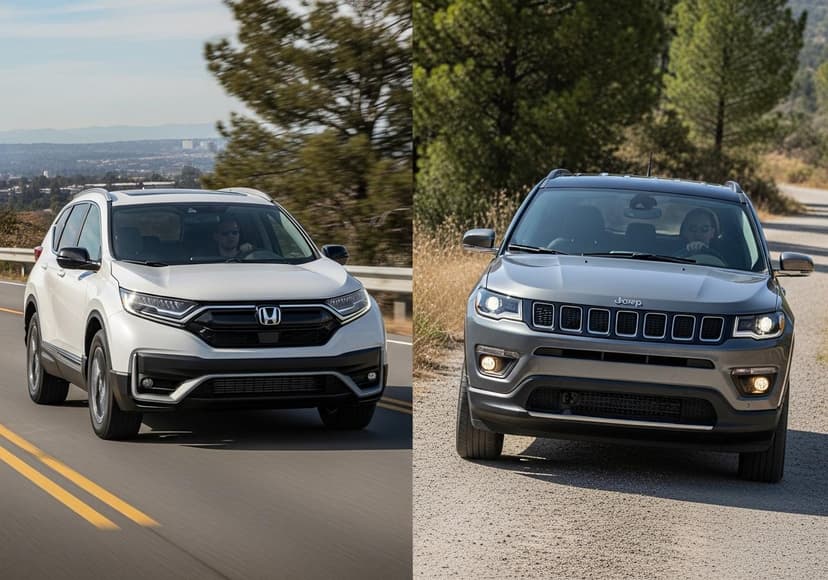
2026 Honda Cr V Vs Jeep Compass Which Is Better
The CR-V's rivals include the Mazda CX-5 and Kia Sportage. These SUVs compete for similar buyers.