How To Build A Roof
Local roofers offer expert services, ensuring durable and reliable roof construction for homes in the area.
Your ultimate guide to understanding roofing installation, maintenance, and repair.
Why Roof Inspection Is Important
Before delving into the nitty-gritty of roofing installation, it’s crucial to understand the importance of a roof inspection. Whether you plan to install a new roof or replace an old one, knowing the condition of your current roof can save you time and money in the long run. Regular roof inspections can help identify potential issues early on, such as leaks, damaged shingles, or structural concerns.
A roof inspection helps assure that your roofing system maintains its integrity. Often, roof damage can be subtle and go unnoticed until it becomes a more serious issue. Therefore, you should routinely check for signs of wear or damage, especially after severe weather conditions.
Types of Roofs
Choosing the right roofing style and materials is essential for your home. The most common types include:
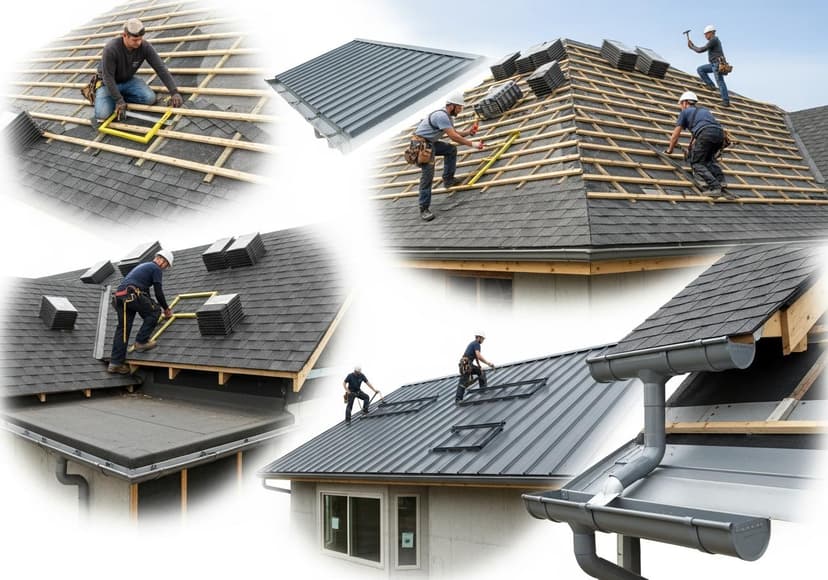
- Shingle Roof: This is one of the most popular choices for residential homes, known for its affordability and ease of installation. Shingles come in various materials, including asphalt, wood, and even slate.
- Flat Roof: Flat roofs offer a minimalist look and efficient use of space, ideal for modern homes and commercial buildings. However, they require regular maintenance to prevent water pooling.
- Metal Roof: Metal roofs are incredibly durable and can last for decades. They come in various styles, and their reflective properties can help reduce energy costs.
Preparing for Roofing Installation
Before starting a roofing installation project, it's wise to get a comprehensive roof estimate from a qualified roofing contractor. This step helps you understand the costs involved and allows you to make informed decisions. Furthermore, be sure to check local building codes and acquire any necessary permits before you start.
Steps for Roofing Installation
The first step is to prepare your roof deck. Ensure the surface is clean and free from debris. Any damaged areas must be repaired before proceeding with installation.
After preparing the deck, roll out roofing felt or a polymer underlayment. This barrier protects your home from moisture and adds an extra layer of security against leaks.
Now comes the fun part: laying down your chosen roofing material. If you’re using shingles, start at the bottom edge and work your way up. For metal roofs, panels should be placed from the bottom to the top in overlapping sections.
Roof Replacement and Repair
Not all roofs need a complete replacement. Sometimes, minor roof repairs can do the trick. It’s crucial to evaluate the overall condition of your roof before deciding on a roof replacement. Damage may be localized and only require replacing a few shingles or resealing areas around chimneys and vents.
However, if your roof is old or has widespread degradation, a complete replacement may be more cost-effective in the long run.
Gutter Repair
Don’t forget about the gutters! They play a critical role in your roof’s drainage system. A leaking or clogged gutter can lead to serious damage over time. Regular gutter repair will enhance your roof's longevity by ensuring that water is properly channeled away from your home.
Skylight Installation
If you want to add character to your home while increasing natural light, consider skylight installation. Different types of skylights are available, from fixed to ventilated. However, ensure that any skylight installed is properly sealed to prevent leaks.
Common Mistakes to Avoid
- Ignoring Roof Inspections: Regular inspections can help catch problems before they escalate.
- Cutting Corners: Make sure not to skimp on materials or labor. Quality matters!
- Improper Installation: Always hire a qualified roofing contractor who knows what they’re doing.
Finding the Right Roofing Contractor
Choosing the right roofing contractor is critical for the success of your project. Look for contractors with good reviews, relevant experience, and proper licenses. A reliable contractor will also provide a transparent roof estimate and offer warranties on their work.
Post-Installation Care
Once your roof installation is complete, preventive maintenance is key. Schedule annual inspections to ensure everything remains in good condition. Check for any signs of wear, loose shingles, or clogged gutters, and address them promptly to maximize your roof's lifespan.
Conclusion
Building a roof may seem daunting, but with the right tools, materials, and knowledge, it can be a rewarding project. Whether you're doing roofing installation for the first time, or need a simple roof repair or roof replacement, remember that regular inspections and maintenance can lead to long-term benefits for your home. Happy roofing!
Posts Relacionados

Adult Education For Seniors
These programs offer seniors opportunities for lifelong learning, fostering social connections and promoting cognitive function through engaging courses.

Advanced Workshop For Seniors
Engaging activities and insightful discussions for seniors, fostering skill development and meaningful social connections.

Advantages Of Elder Care Services
Support and compassion improve well-being. Services offer independence, and enhance quality of life for seniors.