Roof Vent Placement Short Overview
Proper roof ventilation is essential. Codes dictate requirements for air circulation, preventing moisture and extending roof lifespan.
Why Is Roof Vent Placement Important?
When it comes to home improvement, roof vent placement should be at the top of your list. Proper ventilation is key to maintaining a comfortable attic space and an efficient HVAC system. An effective ventilation system helps regulate temperature and moisture, preventing mold and damage to your roof. In this post, we’ll cover essential tips for roof vent installation and the different types of vents you might consider.
Understanding Attic Ventilation
Proper attic ventilation ensures that your home stays cool in the summer and warm in the winter. When hot air rises to the attic, it can lead to heat buildup and higher energy costs. The trapped moisture can also cause structural damage to your roof. When planning your roof vent placement, always consider how vents will work in conjunction with your soffit vents and ridge vents for maximum efficiency.
Types of Roof Vents
There are several types of roof vents, each with its unique advantages:
- Soffit Vents: These vents are installed under the eaves and help to draw cooler air into the attic. They work best in tandem with other vents, allowing for cross ventilation.
- Ridge Vents: Located at the peak of your roof, ridge vents allow warm air to escape, thus maintaining a balanced airflow.
- Exhaust Fans: These can be strategically placed to remove hot air from the attic, improving the efficiency of your overall ventilation system.
- Whole House Fans: If you’re looking for a way to improve attic ventilation quickly, a whole house fan can effectively reduce indoor temperatures during the hot months.
Choosing the Right Vents
Choosing the right type of vent is crucial for effective airflow. It’s essential to assess your home before making a decision. According to research, using a combination of different types of roof vents provides the best results. Ridge vents and soffit vents typically complement each other, while exhaust fans can be a solid option for homes with higher humidity levels.
Installation Tips for Roof Vents
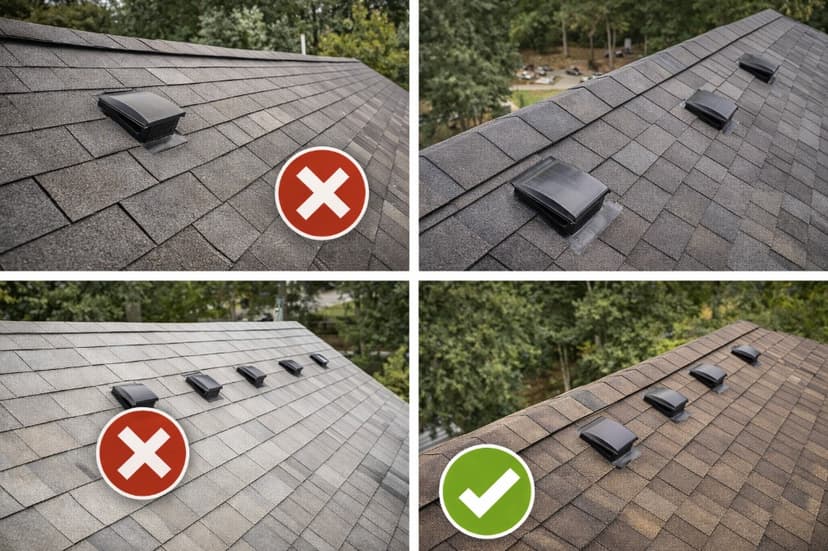
Here’s what you need to know about roof vent installation. It’s always advisable to consult with a qualified roofing contractor for the best results. Before installation, do a layout plan that includes vent sizes and placements. Make sure vents are evenly spaced to ensure effective airflow — this avoids areas of stagnation.
Common Mistakes to Avoid
Many homeowners make several mistakes while planning their roof vent placement. One common mistake is underestimating the number of vents needed. A good rule of thumb is one square foot of net free vent area for every 300 square feet of attic space. Also, don’t place your vents near the edges of the roof where they might block airflow or create hot spots.
Maintaining Your Roof Vents
Maintenance of your roof vents is just as important as their installation. Regularly check your vents for debris, which can clog airflow and diminish their effectiveness. Also, inspect for any signs of wear and tear or leaks that may require roof repair. Overall maintenance will keep your roof vents functioning effectively for years to come.
Energy Efficiency and Home Improvement
Proper roof vent placement and installation can also lead to improved energy efficiency in your home. With an effective ventilation system, your HVAC system won’t have to work as hard to maintain a comfortable temperature. That translates to lower energy bills and a more comfortable living environment in those extreme weather months.
The Role of a Roofing Contractor
If you are unsure about how to perform roof vent installation or if you need to upgrade your ventilation system, consider hiring a professional roofing contractor. They can provide detailed assessments and ensure that your roof is equipped with the best replacement or installation options. Moreover, they will have experience with various ventilation systems suitable for different home designs.
Conclusion: Take Action for Better Ventilation
Getting your roof vent placement right is a vital step in home improvement. Not only does it enhance the comfort of your home, but it also optimizes your HVAC system’s efficiency. If you're interested in learning more about specific materials for roof vents, check out this guide on the best roof vent materials and ensure you make informed choices. Don't hesitate to consult with professionals, as they can provide invaluable expertise.
Posts Relacionados
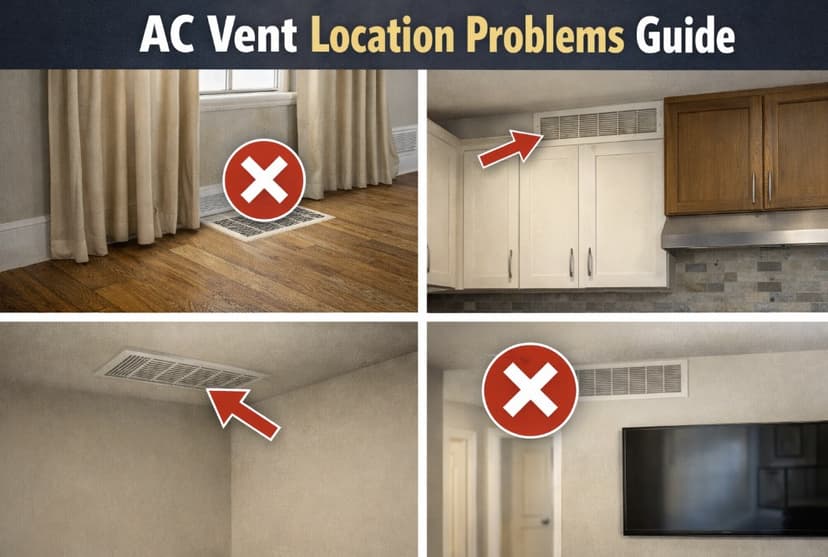
Ac Vent Location Problems Guide
Improper placement causes uneven temperatures, poor airflow, and reduced energy efficiency. Identify these issues for optimal comfort.
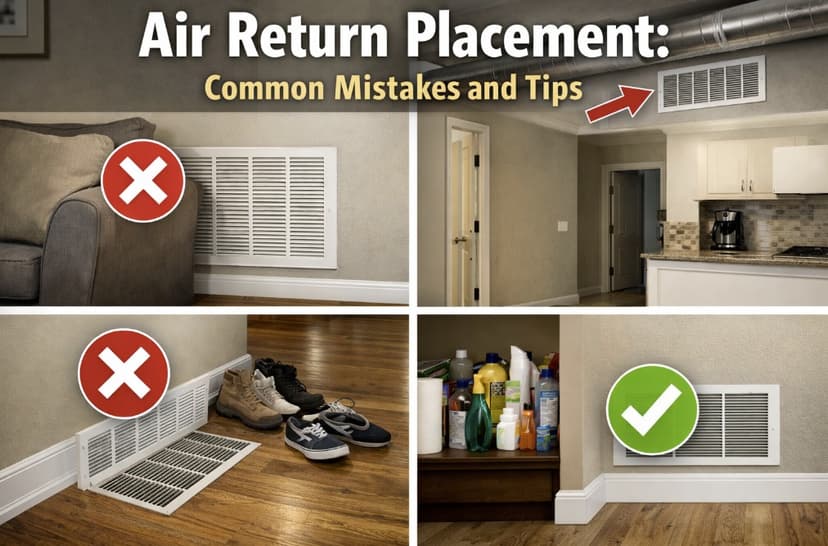
Air Return Placement Common Mistakes And Tips
Improper placement causes poor airflow, energy waste, and discomfort; avoid these mistakes for optimal HVAC performance.

Choosing The Right Smart Security Overview
Selecting the best smart security system means evaluating features, assessing needs, and ensuring reliable home protection.