Roof Ventilation Code Short Guide
Proper roof ventilation is essential. Codes dictate requirements for air circulation, preventing moisture and extending roof lifespan.
Understanding Roof Ventilation Codes
When it comes to maintaining a healthy and energy-efficient home, adhering to Roof Ventilation Codes is vital. These codes are put in place to ensure that your roof and attic have adequate ventilation, preventing moisture buildup that can lead to structural damage or mold. Proper ventilation helps regulate temperature and moisture levels within your attic, contributing to overall Energy Efficiency within the home. To discover more about the specifics of roof ventilation regulations, check out the guidelines at this informative link.
Key Roof Ventilation Requirements
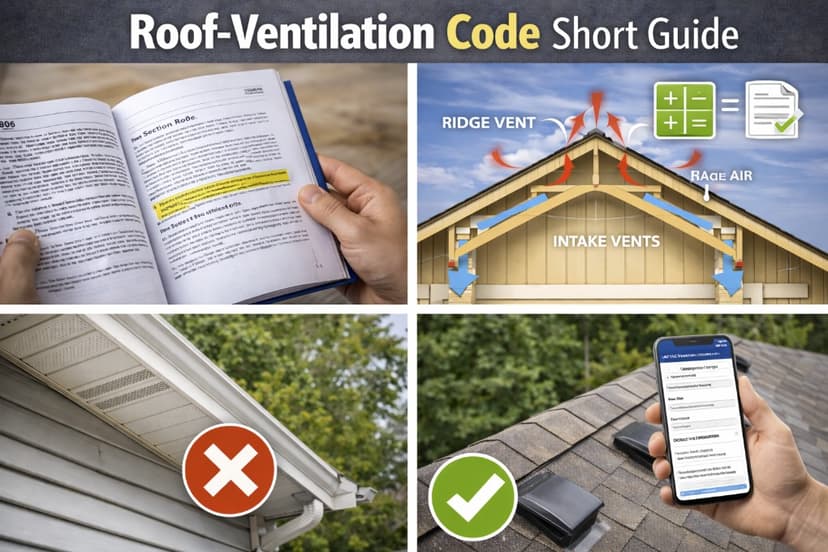
The Roof Ventilation Requirements typically include the installation of both intake and exhaust vents. This balanced system works to allow fresh air in while pushing stale, warm air out. Most building codes recommend that the total net free vent area of the intake and exhaust vents equal to 1/150 of the attic floor area. However, if you have a vapor barrier, you can reduce this to 1/300. This ratio can vary based on the local regulations defined by various Building Codes.
The Importance of Attic Ventilation
Proper Attic Ventilation is essential for your home’s longevity. It helps to prevent issues such as heat buildup during the summer months and keeps ice dams at bay during winter. A well-ventilated attic ensures that the roofing materials last longer, helps maintain energy efficiency, and keeps your HVAC systems from overworking. Higher energy efficiency equates to lower utility bills, which is a win-win for homeowners.
Types of Ventilation Systems
There are several types of Ventilation Systems that you can use to improve airflow in your attic. Two common types are Soffit Vents and Ridge Vents. Soffit vents are situated under the eaves of the roof and allow cool air to enter. Meanwhile, ridge vents are installed at the peak of the roof, serving as exhaust points to let warm air escape. Incorporating these types of vents helps create a continuous airflow cycle that promotes a healthier attic environment.
Exhaust Vents: The Key to Proper Airflow
Exhaust Vents are crucial for any ventilation system. Traditionally located at high points of the attic, they work by allowing hot, stale air to escape, facilitating a natural flow of air from lower vents. Using a combination of both ridge and other types of exhaust vents will provide the best results for ventilation calculations aimed at keeping the attic space properly aerated.
Calculating Ventilation Needs
Ventilation Calculations are essential for determining how much venting your attic needs. This process involves measuring your attic area and applying the appropriate ratio (as discussed earlier) to ensure you’re complying with local codes. Remember, having too little venting can lead to issues with moisture, while too much can increase heating and cooling costs. Doing these calculations can help maintain proper airflow, boosting your home's energy efficiency.
Compatibility with Roofing Materials
Different Roofing Materials can influence your ventilation choices. For example, materials like metal roofs may have different HVAC needs compared to traditional asphalt shingles. Always consider how your roof type impacts heat retention and moisture when planning your ventilation system to optimize energy efficiency throughout the year.
Energy Efficiency Benefits
Investing in proper roof ventilation not only preserves the structural integrity of your home but also enhances its Energy Efficiency. By minimizing the workload on your heating and cooling systems, you can reduce energy consumption and lower your monthly bills. Additionally, maintaining a comfortable temperature within the home increases overall comfort levels for you and your family, making effective ventilation a crucial home improvement task.
Best Practices for Residential Ventilation
Adhering to best practices in Residential Ventilation is crucial for ensuring safety and efficiency. Ensure that your ventilation system is inspected regularly and is free of obstructions. Familiarize yourself with local building codes and guidelines regarding ventilation to ensure compliance. For more tips on optimizing your roof's ventilation system, visit this helpful resource.
Conclusion
In conclusion, understanding and applying Roof Ventilation Codes is essential for maintaining a comfortable, efficient home. By being informed about your Roof Ventilation Requirements, the importance of Attic Ventilation, and the types of vents available, you’re better equipped to create a healthy living environment. For more information and essential tips on roof ventilation requirements, explore this detailed article. Make smart choices that ensure your home remains energy-efficient and damage-free for years to come!
Posts Relacionados
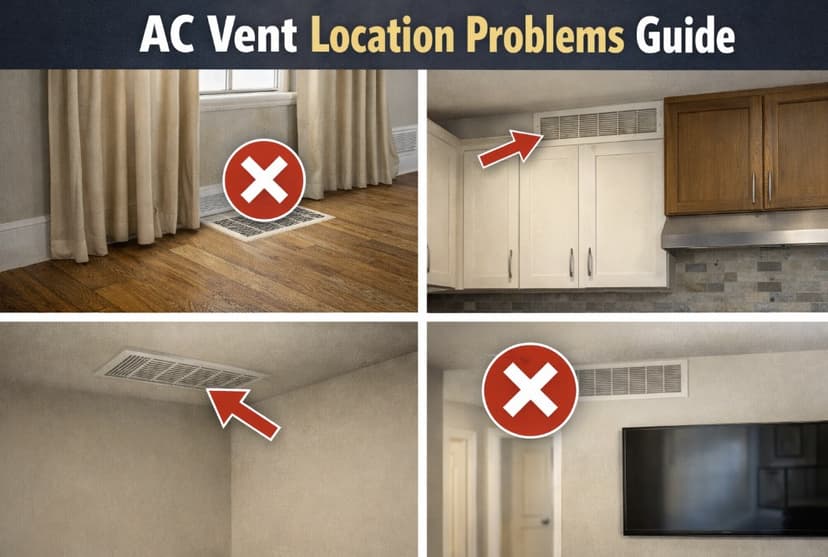
Ac Vent Location Problems Guide
Improper placement causes uneven temperatures, poor airflow, and reduced energy efficiency. Identify these issues for optimal comfort.
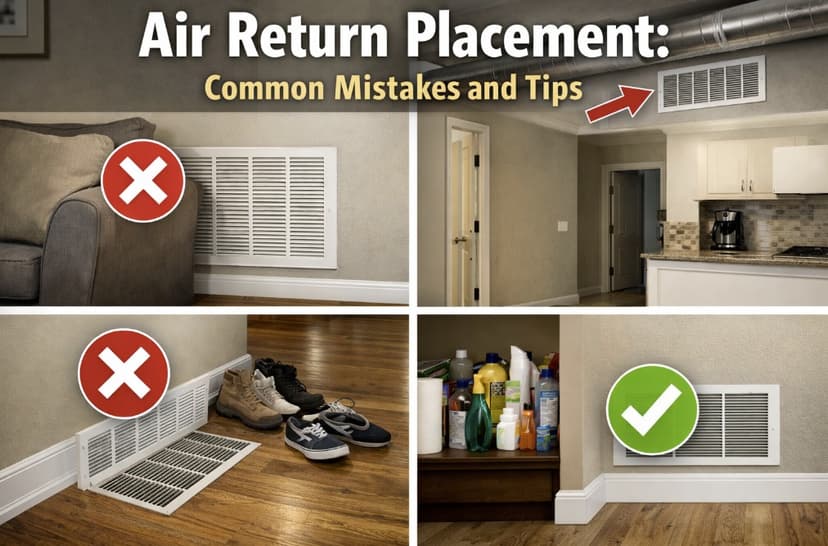
Air Return Placement Common Mistakes And Tips
Improper placement causes poor airflow, energy waste, and discomfort; avoid these mistakes for optimal HVAC performance.

Choosing The Right Smart Security Overview
Selecting the best smart security system means evaluating features, assessing needs, and ensuring reliable home protection.