Staying Sharp Brain Training
Lifelong learning for seniors enhances cognitive function, fostering sharper minds and successful aging through continuous brain training.
The Importance of Brain Training
As we journey through life, our priorities often shift, especially during retirement planning. While many focus on finances and leisure activities, an equally important aspect that deserves attention is brain training. Engaging your mind can provide a plethora of benefits, ensuring you maintain a sharp, agile brain even as the years pass.
With the increase in awareness regarding dementia prevention and overall brain health, more individuals are exploring cognitive exercises that promote neuroplasticity. This vital property of the brain allows for adaptation and growth, making it essential for lifelong learning and retaining information.
Understanding Neuroplasticity
Neuroplasticity refers to the brain's ability to reorganize itself by forming new neural connections throughout life. This adaptability means that even if you’ve not been very involved in intellectual stimulation previously, it’s never too late to start effective brain training. Incorporating various activities such as puzzles, memory games, and even learning new skills can foster neuroplasticity.
By focusing on your cognitive abilities, you not only work towards memory improvement, but you also enhance your potential to ward off cognitive decline and diseases like Alzheimer’s and dementia, which are major concerns as we age.
Cognitive Exercises to Try
So, what kinds of cognitive exercises can you implement? There’s a wide array of games and activities designed to bolster your brainpower. Consider engaging in:
- Word puzzles and crosswords
- Sudoku and number games
- Memory match games
- Learning a new language
- Taking an online course in a subject of interest
These activities don’t just occupy your time; they actively contribute to cognitive development and brain health during retirement, making them highly beneficial.
The Value of Online Courses
In today’s digital age, the limitless reach of the internet provides access to countless online courses and educational programs. Whether you’re looking to delve into history, art, or technology, there are courses available for every interest. Engaging in these courses increases your lifelong learning mindset and sharpens your cognitive abilities.
Plus, many of these resources are tailored for seniors, offering a friendly, engaging approach to learning. Check out various platforms that specialize in senior education—there’s bound to be something that piques your interest and keeps your brain active!
For more insights on how lifelong learning can boost cognitive skills, see this article on Senior Lifelong Learning.
Physical Fitness and Brain Health
It’s a well-known fact that senior fitness greatly contributes to physical health. However, what many may overlook is the profound impact that physical activity has on cognitive functions! Regular exercise improves blood flow to the brain and encourages the growth of new brain cells—yes, you heard that right—promoting overall brain health.
Exercise also reduces anxiety and depression, which can have negative effects on cognitive performance. Aim for at least 150 minutes of moderate aerobic activity each week, combined with strength training activities on two or more days. It’s a great way to keep your body and mind in sync, which is essential for effective brain training.
For more information surrounding the connection between physical activity and mental prowess, check out this article on Lifelong Learning Benefits For Seniors.
More Than Just Entertainment
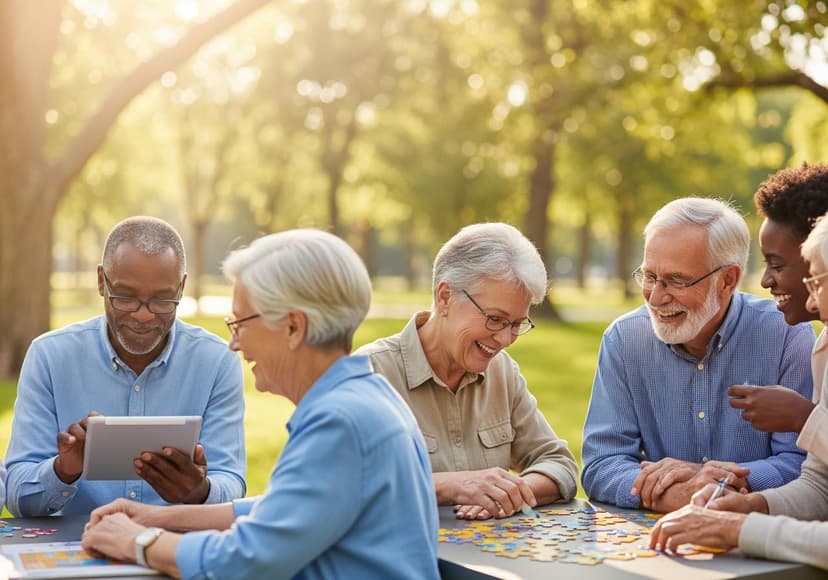
While many activities might seem merely entertaining, they can significantly impact your cognitive abilities. Engaging in board games with family or friends not only strengthens relationships but also serves as a form of intellectual stimulation. The focus required during these games enhances your memory and quick-thinking skills.
Furthermore, diving into activities that engage your critical thinking—like debating current events or attending discussion clubs—can foster a sense of community and intellectual exchange. These experiences can be delightful ways to keep your brain engaged while socializing, solidifying your brain's sharpness.
Community & Networking
As you navigate your retirement planning, don’t underestimate the value of connecting with others who share similar goals. By forming or joining groups dedicated to cognitive exercises or educational programs, you can share resources and motivate one another.
Through collaboration, you’ll find opportunities to engage in new activities, explore different learning routes, and discover various brain training techniques together. Whether it's creating a book club, organizing group classes, or even participating in local workshops, these activities can foster personal growth while enhancing your mental capabilities.
Planning for Lifelong Learning
Retirement planning isn’t just about finances; it’s also about ensuring your personal growth and continued engagement in your golden years. Planning your mental activities can be as important as planning your travel itineraries or financial stability. Set aside time each week for lifelong learning, whether through classes, reading, or engaging in new hobbies.
Moreover, it might be beneficial to set concrete goals related to your cognitive development. For instance, aim to complete a specific online course each month or challenge yourself with a puzzle a day. Consistency helps develop better learning habits and contributes significantly to memory improvement over time.
For additional information on available adult education opportunities, feel free to explore this article on Adult Education Opportunities.
Wrap-Up: The Journey of Staying Sharp
As we grow older, the importance of keeping our minds engaged should never be overlooked. The journey of staying sharp brain training is a dynamic process that intertwines various aspects of mental, physical, and social well-being.
In summary, dive into daily cognitive exercises, enjoy physical activity, indulge in your passion for learning, and connect with others. With strategic retirement planning, you can equip yourself with the tools necessary to improve your cognitive abilities while making the most of your golden years.
Posts Relacionados

Adult Education For Seniors
These programs offer seniors opportunities for lifelong learning, fostering social connections and promoting cognitive function through engaging courses.
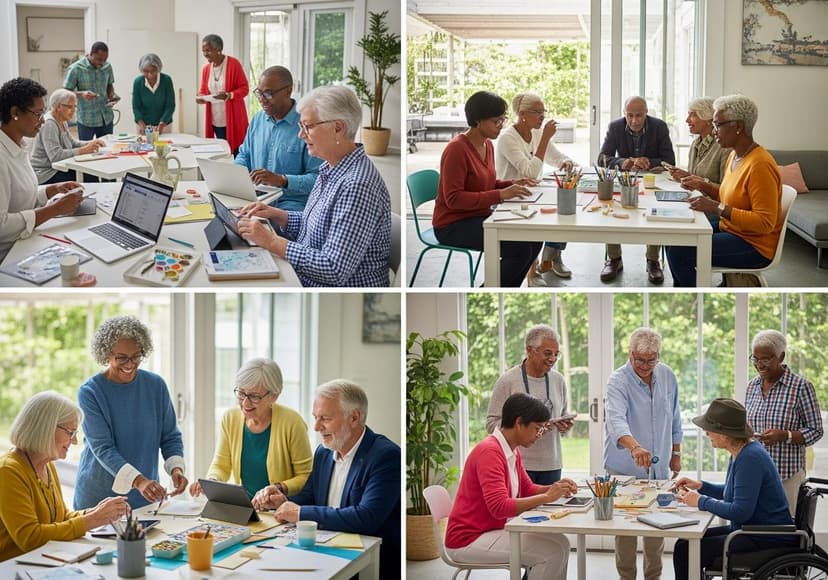
Advanced Workshop For Seniors
Engaging activities and insightful discussions for seniors, fostering skill development and meaningful social connections.

Advantages Of Elder Care Services
Support and compassion improve well-being. Services offer independence, and enhance quality of life for seniors.