The Role Of Storage In Peak Management
Efficient energy storage mitigates peak demand, enhancing grid stability, and optimizing resource allocation for cost savings.
Understanding Peak Demand Management
In today's fast-paced world, energy consumption can be unpredictable, with sudden spikes known as peak demand periods. Peak Demand Management focuses on reducing this demand, ensuring that energy consumption is optimized without overwhelming the power grid. The concept isn't just about saving money; it's essential for maintaining a reliable energy supply, especially during crisis situations. By incorporating modern technologies and methodologies, we can enable an energy system that adapts to varying patterns of electricity consumption. Explore more about this critical aspect of energy management at this source.
The Importance of Energy Storage Systems
Energy Storage Systems (ESS) play a pivotal role in optimizing peak demand management. They store excess energy during low-demand periods and release it during peak times. This not only provides immediate energy supply during high-demand times but also helps in reducing energy costs by flattening the load curve. Battery Energy Storage is a leading technology within ESS. These systems facilitate the efficient storage of energy and allow for rapid discharge, which is critical for managing peak loads. Furthermore, the integration of Smart Grid Technologies allows for real-time data monitoring and load forecasting, providing insights that can further optimize energy usage.
Demand Response Programs: A Collaborative Approach
One of the most effective methods for managing peak demand is through Demand Response Programs. These initiatives encourage consumers to adjust their energy usage during peak periods, often in exchange for financial incentives. By participating in such programs, businesses and consumers can significantly contribute to overall load management efforts. Demand response is a win-win situation: consumers save on their bills while utilities manage peak loads effectively. To know more about how these programs function in reducing energy demand, check out this excellent resource.
How Energy Storage Supports Grid Stabilization
The stability of the power grid is a major concern, especially with the increased integration of Renewable Energy Sources. Grid Stabilization is necessary to manage the intermittency of renewable energy. Energy storage systems can quickly balance variations in energy supply by absorbing excess energy during peak production and deploying it during periods of low generation. This balance not only helps in maintaining power consistency but also plays a vital role in Load Balancing. By leveraging battery energy storage systems, utilities can create a more flexible and responsive power grid, essential for today’s energy landscape.
Time-of-Use Rates: Encouraging Efficient Usage
Another significant strategy in peak demand management involves implementing Time-of-Use Rates. This pricing model encourages consumers to use electricity when demand is low by charging higher rates during peak hours. By incentivizing off-peak consumption, utilities can effectively reduce the strain on the power grid. In conjunction with energy storage systems, consumers can maximize their savings by storing energy during off-peak times and using it during peak times, thereby participating in their own peak shaving strategies.
Utilizing Virtual Power Plants for Efficiency
The rise of Virtual Power Plants (VPP) represents a significant advancement in energy management strategies. By aggregating multiple smaller energy resources – including renewable sources, demand response capabilities, and storage technologies – VPPs can operate like a traditional power plant. This collective approach helps optimize resources and provides flexibilities in responding to peak demand needs. It also aids in efficiently managing distributed energy resources, maximizing their potential while maintaining grid stability. VPPs are a crucial piece of the puzzle in achieving sustainable and optimized energy management.
Exploring Peak Shaving Strategies
Peak Shaving Strategies are techniques used to reduce the energy load during peak periods. These involve a combination of energy efficiency initiatives, demand response measures, and storage solutions to effectively lower energy costs and maintain grid stability. The implementation of energy storage systems alongside demand response programs allows consumers to significantly decrease their peak demand. If a large enough consumer base adopts these strategies, widespread benefits can be realized not only for individual users but also for the utility companies and the power grid overall.
Power Grid Optimization with Smart Technologies
Achieving maximum efficiency in energy use requires continuous monitoring and adaptation of the power grid. This is where Power Grid Optimization and Smart Grid Technologies come in. These advances provide the infrastructure needed to collect and analyze data, making it possible to predict peaks and manage loads better than ever before. The connectivity offered by smart technologies enables real-time communication that can help utilities manage peak demand effectively, enhancing the overall performance of the power grid.
Renewable Energy Integration and its Impacts
The integration of renewable energy sources into the power grid has its challenges, particularly when it comes to peak demand. However, with effective energy storage systems in place, these challenges can be overcome. By storing excess renewable energy during production surges, we can make it available when demand hits its peak. This not only alleviates pressure on fossil fuel systems but also promotes sustainability. The future of energy management is exciting, and the continuous development of innovative solutions will ensure we meet our energy needs efficiently and responsibly.
Conclusion: The Future of Peak Management
As we navigate the complexities of energy consumption and generation, the role of storage in peak management will undoubtedly grow. By combining technologies like energy storage systems and employing strategies such as demand response and time-of-use rates, we can effectively address challenges associated with peak demand. The importance of a resilient, sustainable power infrastructure cannot be emphasized enough, and with continued innovation, we can strive towards a future where energy is managed intelligently, and resources are utilized efficiently. For more insights on strategies to optimize energy consumption during peaks, don’t forget to check this informative article.

Posts Relacionados
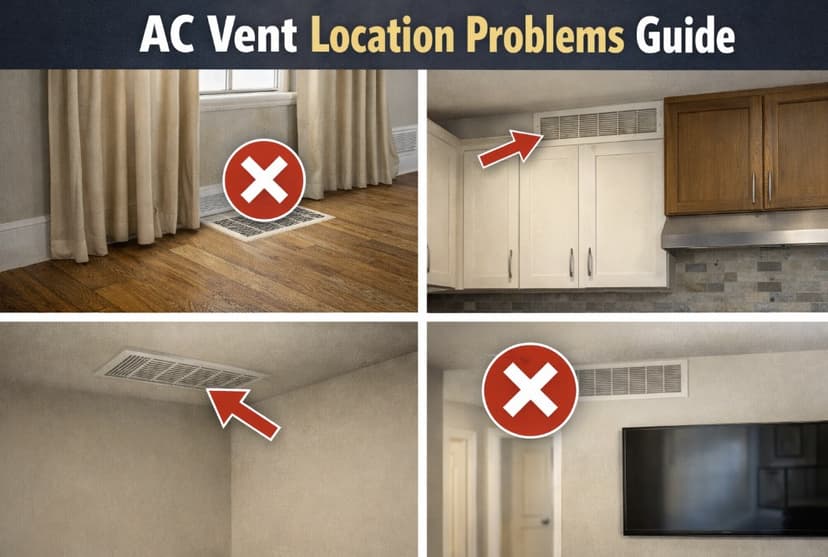
Ac Vent Location Problems Guide
Improper placement causes uneven temperatures, poor airflow, and reduced energy efficiency. Identify these issues for optimal comfort.

Air Return Placement Common Mistakes And Tips
Improper placement causes poor airflow, energy waste, and discomfort; avoid these mistakes for optimal HVAC performance.

Choosing The Right Smart Security Overview
Selecting the best smart security system means evaluating features, assessing needs, and ensuring reliable home protection.