Assisted Living Care Level Assessments
Determining appropriate care levels in assisted living involves resident needs and resource allocation for personalized support.
When looking for a suitable living assistance option, understanding assisted living care level assessments is essential. These assessments simplify the decision-making process for families and seniors alike, especially when weighing choices among assisted living costs, memory care, and dementia care. It's crucial to determine which level of care aligns with the individual’s needs and budget.
Understanding Care Levels
Care levels are categorized based on individual needs, ensuring tailored care for each resident. These levels range from minimal assistance required for daily tasks to comprehensive support that includes skilled nursing and 24-hour care. During a care level assessment, key factors such as activities of daily living (ADLs) are evaluated to determine the appropriate level of assistance for a senior citizen.
For many families, the priority lies in ensuring their loved ones receive the best possible care while managing costs. Understanding the caregiver ratio is paramount. This ratio signifies how many caregivers are assigned per resident, influencing both the quality of care and the assisted living costs as well. Higher caregiver ratios generally translate to better individual attention and personalized services.
Decoding The Assessments
The assessment process generally includes a physical exam, medication review, and discussions with the potential resident and their family. It is vital to ask questions about medication management, personal care assistance, and the home’s capability to handle specific medical conditions. Be sure to inquire about the average caregiver ratio and how it aligns with the facility’s level of care.
For a deeper dive into how assisted living tiers are structured, consider reading Understanding Assisted Living Tiers. This resource simplifies complex information, allowing families to make informed decisions about care options suited for their loved ones.
Memory Care and Dementia Care
When assessing memory care and dementia care, additional layers are added to the evaluation process. Alzheimer’s disease and other forms of dementia require specialized care that goes beyond typical assisted living. Facilities must provide structured environments that cater to cognitive impairments, ensuring safety and comfort through specialized programs.
Moreover, in memory care settings, a higher caregiver ratio is vital to cater to the unique needs of residents. Close monitoring helps caregivers identify behavioral changes, helping manage anxiety or aggression effectively. Each caregiver's ability to establish a personal connection can significantly enhance the quality of care, leading to better outcomes for residents.
Skilled Nursing and Long-Term Care
On another note, if a resident requires acute medical assistance, skilled nursing may become necessary. Skilled nursing facilities serve individuals who require round-the-clock medical attention, often associated with long-term care setups. Families can benefit from assessing whether transitioning between assisted living and skilled nursing is seamless, should the need arise.
Long-term care also plays a significant role in planning for the future. While many seniors can initially age in place with minimal support, conditions can change over time, necessitating a quick response from the care facility. Understanding the link between assisted living and nursing homes can help facilitate smoother transitions when the time comes.
Personal Care and Activities of Daily Living
A significant component of assessments involves determining the extent of required personal care services. Personal care encompasses assistance with bathing, dressing, grooming, and other activities of daily living. Evaluating an individual’s abilities accurately ensures that care plans are robust, making quality management of care much easier.
Additionally, facilities must provide a plethora of engaging activities of daily living and recreation to enrich the residents' lives. Social interaction and engagement play a crucial role in maintaining mental health and well-being among seniors. Therefore, assessing how a facility integrates these services can significantly impact the overall care experience.
Cost Considerations
Financial planning for senior care can be overwhelming, as assisted living costs can vary significantly based on care levels and additional services. To alleviate some of that stress, conducting a thorough assessment that weighs both costs against the level of care is crucial. Understanding what services are included will help you avoid unexpected charges.
Costs will also reflect the caregiver ratio and the extent of personal care an individual needs. While some facilities may present low base costs, uncovering hidden fees related to additional services like skilled nursing can affect overall budgeting. It is best to have a clear understanding of all potential costs before choosing a facility.
Seeking Guidance from Professionals
Asking for expert guidance can help families navigate the complexities of assisted living care level assessments. Consulting with professionals can provide insights into specific needs based on an individual's health status and desires for independence. Many communities offer free consultations that can illuminate potential care paths and costs.
Moreover, resources like this guide on assisted living care levels can serve as a practical reference to explore your options further. The guide gives families an overview of different levels of care, associated support services, and considerations necessary to make informed decisions.
Final Thoughts
Finding the right assisted living arrangement is a complex but rewarding journey. With a careful understanding of care level assessments, families can ensure their loved ones receive the right type and amount of support for their unique needs. By focusing on comfort, caring staff, and cost management, seniors can enjoy a fulfilling quality of life.
As you navigate this process, remember that thorough assessments lead to informed decisions. Stay proactive, maintain an open line of communication, and involve your loved one in the discussion. After all, they deserve to be part of the dialogue about their care and future.
Posts Relacionados

Activities In Assisted Living
Engaging activities improve residents' well-being and cognitive function, fostering social connections within assisted living facilities.

Activities In Memory Care Programs
Engaging activities improve cognitive function and enhance quality of life for seniors in memory care settings.
And Facility Challenges
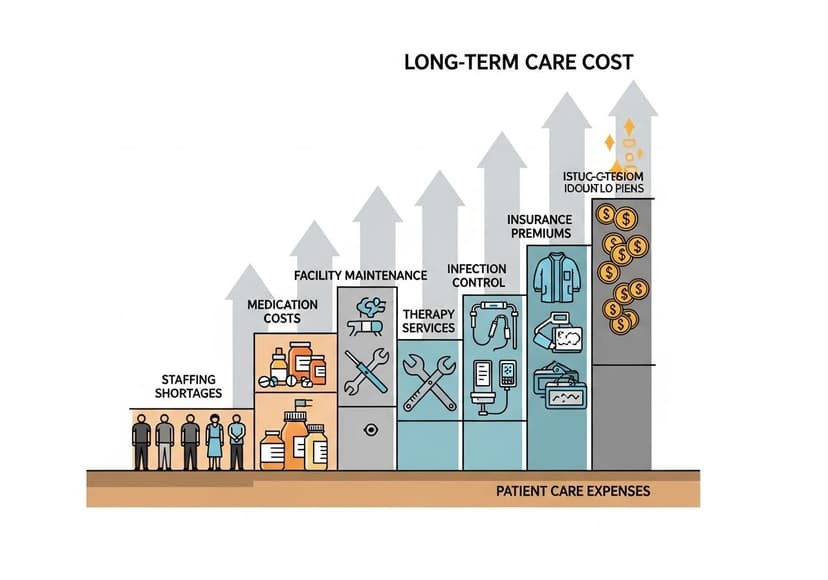
Long-term care facility costs involve significant financial strain, impacting both residents and the healthcare system.