Care Manager Your Senior Advocate
Geriatric care managers offer expertise in navigating the complexities of elder care, ensuring a higher quality of life.
As we age, navigating the myriad paths of healthcare and personal care can be daunting. It’s a challenging and emotional journey for both seniors and their families. Enter the Care Manager—your senior advocate, a professional who specializes in Geriatric Care Management. This blog will look into the vital role of care managers, focusing on Estate Planning For Seniors, along with a broad spectrum of senior services including Senior Care, Elder Care, and essential support systems.
What is a Care Manager?
A Care Manager is like a compass in the often-murky waters of senior care. Their primary role is to guide seniors and their families through various care options available, including Home Health Care, Assisted Living, and Nursing Homes. They evaluate personal needs, provide resources, and create care plans tailored to individual situations.
Why is Geriatric Care Management Important?
Geriatric Care Management focuses on the unique needs of older adults. With the aging population on the rise, the importance of personalized care solutions cannot be overstated. Care Managers ensure that seniors receive the appropriate resources, services, and support. They work closely with healthcare providers and families to facilitate better health outcomes.
If you're interested in how Geriatric Care Managers can help, check out this comprehensive guide: Geriatric Care Manager Guide.
Aging in Place: The Preferred Choice
Aging in place is a term that refers to seniors living in their own homes as they grow older. A Care Manager plays a crucial role in making this a viable option for many. They provide recommendations for Home Health Care services, assistive devices, and modifications to the home that enhance safety and accessibility.
Care Managers help seniors manage chronic illnesses, coordinate medical appointments, and ensure they stay socially connected. All of this can contribute significantly to a sense of independence and well-being.
Understanding the Spectrum of Senior Care
Senior care encompasses various services designed to meet the diverse needs of aging individuals. These services range from Dementia Care and Alzheimer's Care to Long-term Care. Each aspect is important, and a skilled Care Manager can help families make informed decisions. Understanding all available options is crucial for effective planning.
Integrating Estate Planning for Seniors
One of the most overlooked aspects of care management is Estate Planning For Seniors. A Care Manager can coordinate with legal professionals to assist seniors in making informed decisions about their assets, wills, and healthcare proxies. This way, seniors can ensure their wishes are honored, alleviating stress for their families during difficult times.
Estate planning is a critical part of ensuring peace of mind and financial security, allowing seniors to focus on enjoying their lives rather than stressing over what happens next.
Caregiver Support
Caring for an aging loved one can be overwhelming for family members. A Care Manager not only advocates for seniors but also supports their caregivers. They offer guidance, resources, and even respite care options to help alleviate caregiver stress. After all, the wellness of caregivers is essential for the well-being of seniors in their care.
Whether it’s finding an appropriate support group or exploring Assisted Living arrangements, a Care Manager is there to help navigate the complex landscape of elder care.
Exploring Assisted Living and Nursing Homes
Each family’s situation is unique, and for some, Nursing Homes or Assisted Living may be the best choice for their loved ones. Care Managers can help families understand the differences between these options, what each facility offers, and how to determine the best fit for personal needs.
This part of the care planning process is vital. When the right living arrangement is identified, it significantly enhances a senior’s quality of life.
The Significance of Home Health Care
For many seniors, maintaining independence at home is paramount. Home Health Care can provide the support needed to make this possible. Care Managers assess the need for skilled nursing, physical therapy, or personal care services that allow seniors to live comfortably at home.
The beauty of Home Health Care is that it can be tailored to specific needs, making it a flexible solution for many. A Care Manager can help coordinate these services, ensuring seniors receive the help they need in the most comfortable environment.
Dementia and Alzheimer’s Care: Special Considerations
Among the most challenging aspects of elder care is navigating the complexities of Dementia Care and Alzheimer's Care. Care Managers are skilled in addressing the unique needs of individuals suffering from these conditions. They can coordinate specialized services and communicate with healthcare providers to ensure that your loved one receives optimum care.
Maintaining routines, managing medications, and finding appropriate community resources are among the critical elements Care Managers can assist with, ultimately enhancing the quality of life for both seniors and their families.
Planning for Long-term Care
Long-term care planning is essential for seniors and their families. Care Managers play a vital role in preparing for potential future needs. This includes conversations about the type of care required, financial considerations, and preferences for Assisted Living or community services.
Care Managers help families brainstorm and discuss potential scenarios, ensuring that the wishes of the senior are known and respected. This proactive approach can lead to smoother transitions in care when the time comes.
Utilizing Resources and Community Connections
Care Managers are well-connected within the community and can serve as a bridge to various resources and services. From transportation assistance to counseling services, they provide invaluable insights into available programs that can benefit seniors and families.
These connections can often mean the difference between navigating the caregiving journey alone or having support at every step. For more information on how Care Managers assist families, you may explore this resource.
Conclusion: The Path Ahead
Choosing to engage a Care Manager can significantly enhance the quality of life for seniors and their families. They empower families to make informed choices, whether it’s about Estate Planning For Seniors or determining the best place for care. With their expertise, families can navigate the challenges of aging with confidence.
Remember that you are not alone on this journey; a Care Manager is ready to be your advocate and guide every step of the way. For more tips on planning for senior care, you may look into this guide, which can provide helpful insights into care management for seniors.

Posts Relacionados

Activities In Assisted Living
Engaging activities improve residents' well-being and cognitive function, fostering social connections within assisted living facilities.

Activities In Memory Care Programs
Engaging activities improve cognitive function and enhance quality of life for seniors in memory care settings.
And Facility Challenges
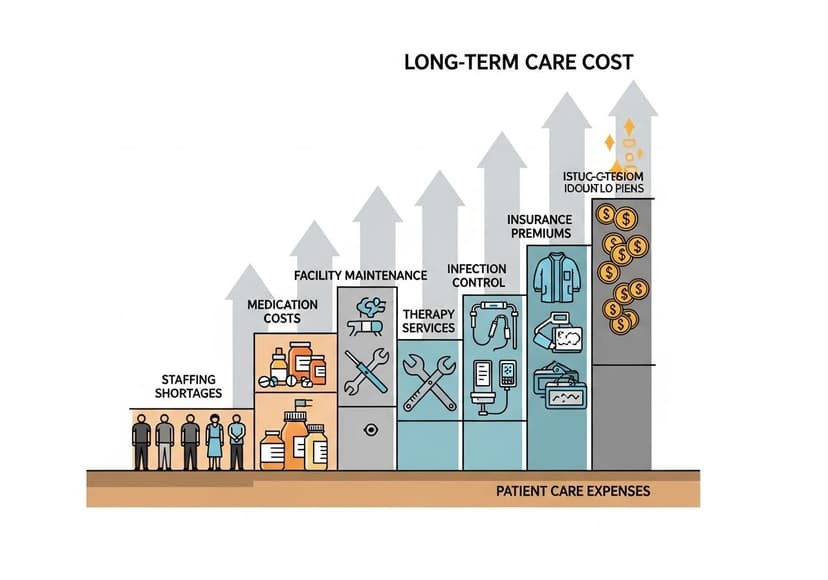
Long-term care facility costs involve significant financial strain, impacting both residents and the healthcare system.