Healthcare Access For The Elderly
Challenges persist. Seniors need timely care. Overcoming barriers ensures better health, promoting quality of life.
The Importance of Senior Healthcare
As our loved ones grow older, ensuring they have access to quality senior healthcare becomes a vital task. The right healthcare can enhance their quality of life and provide peace of mind for family members. However, many seniors face significant barriers in accessing the necessary services. From healthcare access challenges to rising healthcare costs, it’s paramount that we discuss these issues openly.
Understanding Medicare Coverage
One of the key components in senior healthcare is Medicare coverage. It provides basic health insurance for individuals over 65, covering essential services like hospital stays, doctor visits, and some preventive care. However, there are a lot of complexities surrounding what’s covered. Many seniors find themselves confused, particularly when it comes to prescription drugs. Although Medicare can alleviate some costs, seniors often need to navigate copays and deductibles, leading to frustration.
Long-term Care: A Necessity for Many Seniors
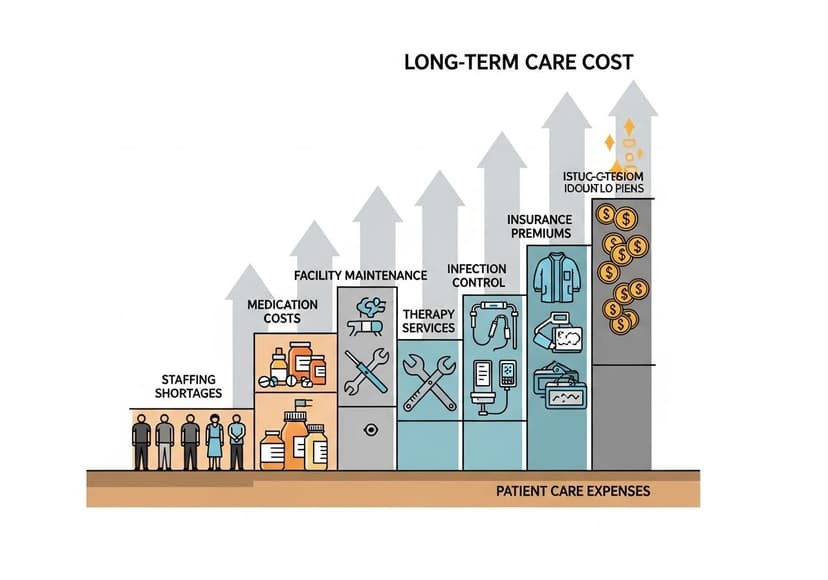
As individuals age, the need for long-term care increases. This can encompass everything from help with daily activities to specialized care for chronic conditions. For many families, understanding the available options is crucial. While nursing homes are often the first thought that comes to mind, various alternatives like assisted living facilities or home healthcare services can offer a more suitable environment for seniors. Exploring these opportunities is key in navigating rising healthcare costs.
Home Healthcare vs. Nursing Homes
A considerable number of seniors prefer to age in place, leading to greater demand for home healthcare services. These services allow seniors to receive needed assistance while remaining in their own homes. However, for some, a nursing home may be more appropriate, particularly for those with advanced needs. Understanding the advantages and limitations of both can help families make informed decisions.
Dementia Care: Specialized Needs
Seniors with conditions such as dementia require specialized care that not all home healthcare providers can offer. Dementia care facilities focus on creating safe, accommodating environments specifically designed for individuals with memory-related illnesses. With increasing awareness of dementia, more programs are now available, yet navigating through available options can be overwhelming for families.
Medical Equipment Challenges
Seniors may also face challenges in obtaining necessary medical equipment. Items like walkers, wheelchairs, and oxygen tanks can be essential for health and safety. Unfortunately, many insurance plans have complicated restrictions, causing delays and financial burdens. It’s essential for families to understand what’s covered under Medicare or other insurance plans to avoid unexpected expenses.
Rehabilitation Services: Recovery and Support
After hospitalization, many seniors require rehabilitation services to regain their strength and independence. Services may include physical, occupational, or speech therapy, which can tremendously affect recovery outcomes. However, the varying coverage of these services under Medicare can often leave patients unsure about their financial obligations.
Hospice Care: Compassionate End-of-Life Support
When it comes to hospice care, quality is paramount. This care is designed to provide comfort for terminally ill patients and their families. Understanding what Medicare covers and the eligibility requirements can relieve some of the financial stress associated with end-of-life care, allowing families to focus on the quality of their time together rather than worrying about healthcare costs.
Navigating Healthcare Costs: Tips for Families
With the rising healthcare costs, families should be proactive in navigating the financial landscape. Researching senior health access policies and programs can lead to resources that lessen the financial burden. It’s also wise to keep regular communication with healthcare providers to ensure alignment on available services and costs. Many families report feeling overwhelmed, but local community services can be a great support to guide them through the process.
Conclusion: Advocating for Better Healthcare Access
Access to quality healthcare should be a fundamental right for every senior, yet various obstacles often impede those services. As advocates for the elderly, it’s essential that we work together as a community to ensure that every senior receives the healthcare they deserve. By understanding healthcare options, discussing needs openly, and exploring available programs, we can help pave the way for a healthier future for our seniors.
Explore more about the challenges faced by seniors in accessing services here.

Posts Relacionados

Activities In Assisted Living
Engaging activities improve residents' well-being and cognitive function, fostering social connections within assisted living facilities.

Activities In Memory Care Programs
Engaging activities improve cognitive function and enhance quality of life for seniors in memory care settings.
And Facility Challenges
Long-term care facility costs involve significant financial strain, impacting both residents and the healthcare system.