Navigating Senior Support Services
Comprehensive senior support services offer assistance with daily living, health, finances, and emotional well-being to seniors.
Understanding Senior Support Services
As our loved ones age, making decisions regarding their well-being becomes increasingly essential. This is where senior support services come into play. These services encompass various forms of senior care designed to meet the diverse needs of older adults. From home healthcare that allows seniors to stay in the comfort of their own homes to assisted living and nursing homes, knowing the options available helps ensure that our loved ones receive the right care.
Senior support services can also include specialized memory care for those dealing with dementia or other cognitive impairments, ensuring that they receive the attention and understanding they need as they navigate these challenges.
If you're looking for a comprehensive overview of what these services entail, check out this overview of senior support services.
Types of Senior Care Options
When considering elder care options, it's crucial to know what types of senior care services are currently available. Each type serves a specific purpose, with varying levels of care and support tailored to the individual's needs.
For starters, in-home care is a popular choice. This service enables seniors to stay in their homes while receiving help with daily activities like meal preparation, housekeeping, and personal care. In-home care can be a great way to maintain independence while ensuring safety and comfort.
If a higher level of assistance is needed, assisted living facilities offer services that include help with medication management, bathing, and mobility assistance. These communities often promote an active lifestyle, providing social activities and communal dining options for their residents.
Exploring Assisted Living and Nursing Homes
Let's dive deeper into the world of assisted living and nursing homes. While both offer necessary services, they cater to different levels of care. Nursing homes provide around-the-clock care and medical assistance for residents with serious health issues, whereas assisted living communities are less medically focused and place more emphasis on offering social opportunities and some level of independence.
Choosing between these options can be overwhelming. Factors like health status, personal preferences, and budget constraints come into play. If you're feeling stuck, I recommend visiting this guide on comprehensive senior support services for tips on making a well-informed decision.
Memory Care and Dementia Care
For residents facing challenges with memory loss, memory care is critical. These specialized communities provide tailored programming and trained staff to help seniors feel safe and engaged. With a blend of therapeutic activities and 24/7 supervision, memory care makes it easier for families to ensure their loved ones are well cared for.
Dementia care often overlaps with memory care but focuses on the specific symptoms and challenges posed by conditions like Alzheimer's disease. Family members seeking geriatric care providers should specifically inquire about training and experience related to memory-related illnesses.
If you're interested in understanding the various senior care options available, this resource on understanding senior care options will provide valuable insights.
Long-Term Care Considerations
Long term care is an important aspect of senior services that families must plan for as they consider options for their loved ones. This can involve anything from a combination of in-home support to active engagement in a retirement community.
It's essential to consider health insurance policies, potential out-of-pocket expenses, and the types of services most relevant to the individual's age and condition when deciding on long-term care. The earlier you start planning, the more options you will have.
Retirement Communities: A Popular Choice
One of the most appealing options for seniors looking to simplify their lives is a retirement community. These communities cater not just to health needs but also to social engagement, independence, and general well-being. In a retirement community, residents usually enjoy a vibrant social life, various activities, amenities, and the peace of mind that comes with having necessary assistance available if needed.
Moreover, many retirement communities offer a continuum of care, which means that as residents' needs change over time, they can transition from independent living to assisted living or memory care without changing their environment entirely. This seamless transition can make the overall experience much more pleasant for both seniors and their families.
Choosing the Right Senior Living Options
Finding the right senior living option requires a bit of research, reflection, and communication with family members. Start by considering the senior’s needs and preferences. What type of lifestyle do they prefer? Do they need assistance with daily activities? How important is social interaction for them?
Consulting your loved one during the process can help gauge their comfort levels and ensure they make the best possible choice for themselves. It might also be helpful to visit several senior living options to get a feel for the atmosphere and services they provide.
Final Thoughts on Senior Support Services
As you navigate the world of senior support services, remember that you're not alone in this process. Many resources and professionals are available to help guide you and your loved ones through these decisions. The primary goal should always be prioritizing comfort and safety while ensuring that the senior still enjoys a fulfilling and active lifestyle.
Remember, every individual is unique, and there is no one-size-fits-all solution when finding the right care. Empowering your loved one to have a voice in their care preferences will go a long way in ensuring their happiness in the long-term.

Posts Relacionados

Activities In Assisted Living
Engaging activities improve residents' well-being and cognitive function, fostering social connections within assisted living facilities.

Activities In Memory Care Programs
Engaging activities improve cognitive function and enhance quality of life for seniors in memory care settings.
And Facility Challenges
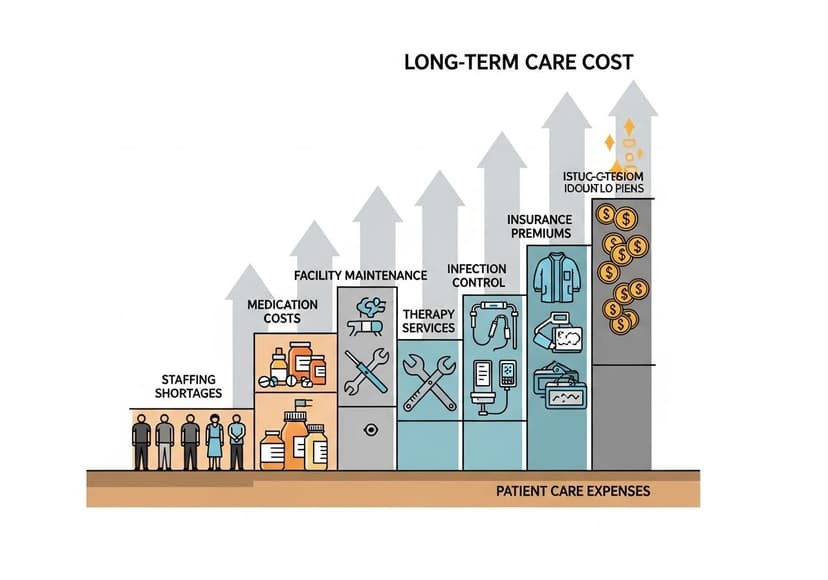
Long-term care facility costs involve significant financial strain, impacting both residents and the healthcare system.