Senior Living And Memory Care
Dedicated environments offer specialized support, fostering engagement. They help with memory loss and cognitive challenges.
Introduction to Senior Living
As we age, the need for a supportive environment becomes increasingly important. Senior living refers to a variety of accommodation options designed to meet the diverse needs of older adults. These options can range from retirement communities to nursing homes, making it easier for seniors to find a living situation that best aligns with their lifestyle and care requirements.
The landscape of senior living is vast and often overwhelming. Understanding the different types of care options available, especially for those with memory issues, is crucial. The various levels of senior care can help families choose the right path for their loved ones, particularly when considering memory care. You can explore more about memory care in this insightful article here.
The Importance of Memory Care
Memory care is a specialized form of assisted living tailored to meet the needs of those living with cognitive impairments, such as dementia or Alzheimer's disease. It is designed to provide a safe and nurturing environment that focuses on the unique challenges faced by individuals with memory loss.
Memory care facilities often have specially trained staff equipped to help residents maintain their dignity, independence, and quality of life. The goal of memory care is not only to manage symptoms but also to create a supportive community where residents can thrive.
Types of Senior Living Options
When it comes to senior living, options like retirement communities and nursing homes play significant roles in the overall landscape. Retirement communities may offer more independent living settings with socialization opportunities and activities.
In contrast, nursing homes often provide higher levels of care, including skilled nursing and support for those needing long-term care. No matter the choice, it’s essential to consider the level of care required, especially if a family member struggles with memory-related issues.
Finding the Right Place for Memory Care
Choosing the right memory care community is not an easy task. Families should evaluate the facilities and the level of care they provide. It helps to visit different establishments, ask questions, and gain a feel for the environment and whether it feels like a fit.
There are several aspects to consider: the quality of staff training, the kind of activities provided, and the atmosphere of support and compassion. Understanding these elements can make all the difference in selecting the right place for your loved one. For more in-depth insights, check out this comprehensive resource here.
Understanding Assisted Living
Assisted living can be an ideal solution for seniors who require help with daily activities but do not need the extensive medical care provided by nursing homes. It serves as a transitional space for seniors who might need some support but want to maintain as much independence as possible.
These facilities often provide help with personal care, medication management, meals, and social activities, creating a vibrant community for seniors. This can be ideal for individuals who are experiencing early signs of memory loss but do not yet need specialized memory care services.
The Role of In-Home Care
For some families, in-home care can be the best option if a loved one prefers to live independently at home. In-home care allows seniors to receive assistance tailored to their unique needs within the comfort of their own environment.
In-home caregivers can help with daily tasks, including cooking, cleaning, and personal care, while providing companionship. This can be incredibly beneficial for seniors with memory impairment, as familiar surroundings can often provide comfort and enhance well-being.
Dementia and Alzheimer's Care
Dementia care and Alzheimer's care are specialized forms of memory care aimed at individuals diagnosed with these conditions. Facilities that offer these services are designed to provide a safe space for residents to live while receiving appropriate care.
These facilities prioritize the safety and emotional well-being of their residents. Engaging activities, memory stimulation programs, and personalized care plans can significantly enhance the quality of life for individuals experiencing progressive memory loss.
For a deeper understanding of caring for seniors with memory loss, check out this detailed article here.
Long-Term Care Considerations
When planning for the future needs of aging loved ones, long-term care becomes a key factor to consider. Decisions about long-term care require a thorough understanding of care levels and the specific needs of seniors.
Many families begin the conversation about long-term care early to ensure they are prepared when the time comes. Planning ahead allows families to explore different options and choose the best path for their loved ones' comfort and care.
In conclusion, understanding the options available in residential care is crucial for families faced with the challenges of aging and memory loss. By being informed and proactive, families can promote a better quality of life for their loved ones, ensuring they receive the care they deserve.

Posts Relacionados

Activities In Assisted Living
Engaging activities improve residents' well-being and cognitive function, fostering social connections within assisted living facilities.

Activities In Memory Care Programs
Engaging activities improve cognitive function and enhance quality of life for seniors in memory care settings.
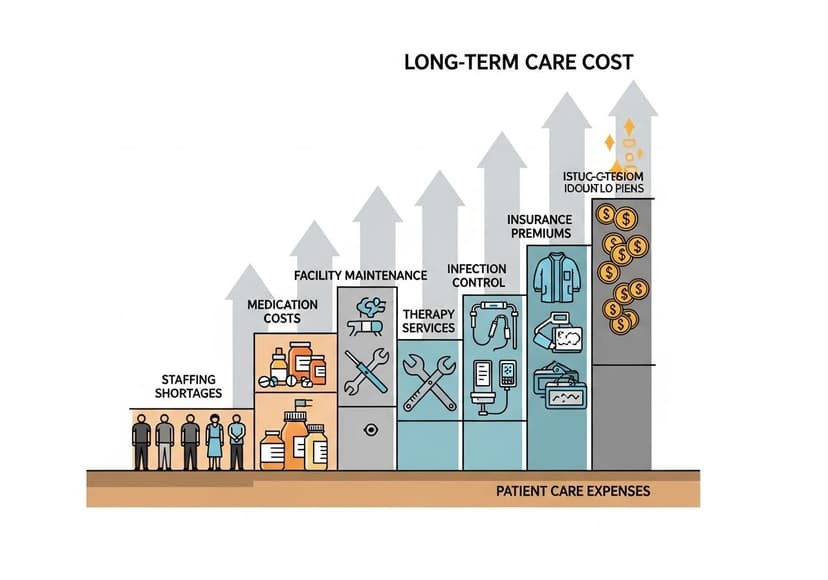
And Facility Challenges
Long-term care facility costs involve significant financial strain, impacting both residents and the healthcare system.