Staffing Challenges In Senior Care
Understaffing in senior care facilities leads to reduced quality of care and increased resident health risks.
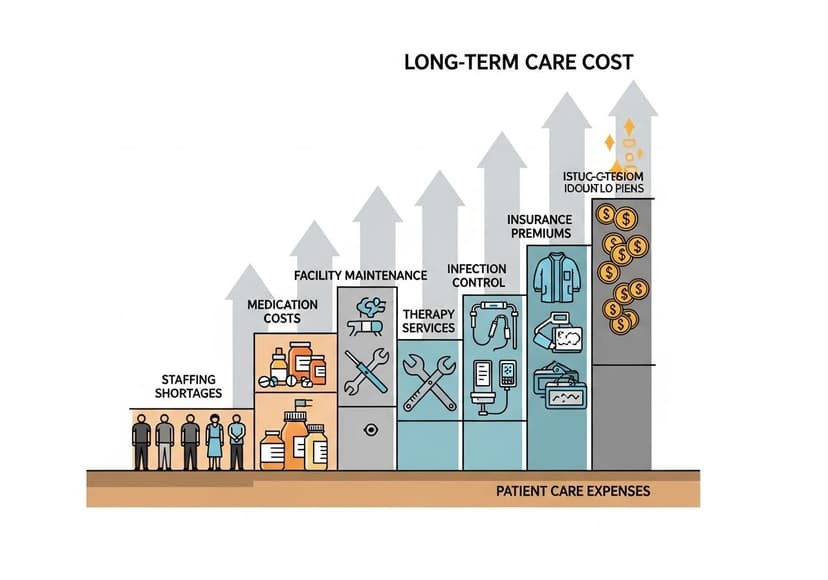
The senior care industry is rapidly evolving, but one reality has remained constant: staffing challenges. Whether you’re looking into Nursing Homes or Assisted Living facilities, finding qualified and dedicated staff is becoming increasingly difficult. These staffing challenges carry significant implications for Healthcare Costs and the overall quality of Patient Care.
The Crisis of Senior Care Staffing
In recent years, Senior Care Staffing has become a hot topic due to widespread staffing shortages. As the demand for senior care rises with the aging population, facilities are struggling to fill critical roles. This shortage is amid an increasing need for services in both long-term care and short-term rehabilitation.
Providers often find themselves turning to staffing agencies to temporarily fill gaps; however, relying on agency staff can inflate healthcare costs and lead to inconsistencies in patient care. To combat these challenges, facilities must develop strategies to attract and retain quality staff while managing expenses effectively.
The Role of Staffing Agencies
Staffing agencies have emerged as a popular solution to staffing shortages in the senior care sector. These agencies can quickly provide essential personnel, including Certified Nursing Assistants (CNAs), Licensed Practical Nurses (LPNs), and Registered Nurses (RNs). While this can alleviate immediate staffing concerns, it often comes at a high financial cost.
Payments to staffing agencies can be significantly higher than maintaining a stable in-house team. Many facilities must weigh the benefits versus the risks as they navigate the complexities of staffing—balancing quality care with financial strategies. For a thorough look into staffing needs and levels, check out this comprehensive guide: Staffing Levels in Senior Care Facilities.
Understanding Healthcare Staffing Needs
Facilities must carefully assess their staffing needs based on the type of care they provide. In nursing homes, for instance, the patient-to-staff ratio can significantly affect both quality of care and healthcare costs. Most experts recommend maintaining a healthy balance of skilled staff to adequately meet patient needs.
Establishing appropriate staffing levels is not just a matter of compliance; it directly impacts patient outcomes. According to recent studies, better-staffed facilities see lower rates of hospitalizations and emergency room visits, underscoring the importance of investing in proper staffing.
Long-Term Solutions to Staffing Challenges
To address the long-term staffing challenges, facilities need to tap into innovative recruitment and retention strategies. Offering competitive salaries, benefits, and regular training can enhance job satisfaction among nursing staff. For nurses and CNAs, continuing education and skill advancement opportunities can make a huge difference in attracting applicants.
Moreover, creating a positive work environment contributes significantly to retaining staff. When workers feel valued and part of a supportive team, they're more likely to stay long-term. This ultimately leads to better patient care and lower healthcare costs over time as experienced staff are usually more efficient.
User-Friendly Initiatives for Recruitment
Recruiting younger talent is essential; thus, senior care facilities need to adapt their approaches. They might consider offering flexible scheduling, student internship programs, or even job shadowing opportunities that allow prospective staff to experience first-hand the positive impact they can have on patients.
Utilizing digital platforms and social media for recruitment campaigns also help in attracting younger generations who look for meaningful work. A strong online presence where facilities can showcase their culture and values can significantly improve their chances of hiring the right candidates.
Training and Development Opportunities
Investing in staff training programs fosters professional development and delivers better patient care. Facilities should create ongoing training programs, covering essential clinical skills and soft skills, like communication and patient interaction. Training enables staff to feel more confident and proficient, which can reduce turnover rates and enhance the quality of care provided.
Training can be a game-changer for facilities in maintaining a fulfilling work environment that promotes growth and encourages nurses and CNAs to stay. Furthermore, staff who feel comfortable in their roles can contribute to lowering overall healthcare costs by improving efficiency and reducing costly errors.
Workplace Culture in Senior Care Facilities
The success of any recruitment and retention strategy hinges on workplace culture. A positive culture will not only attract staff but also foster their commitment. Recognizing employees for their hard work and contributions plays a key role in maintaining motivation.
Creating clear career paths for nurses and nursing assistants encourages them to visualize their future within the facility. This commitment to staff success is also vital in minimizing costly turnover. Happy employees lead to satisfied patients, and thus a higher quality of patient care.
The Final Word on Staffing Challenges in Senior Care
The staffing challenges faced by senior care providers are multifaceted, with deeply intertwined impacts on healthcare costs and quality of care. As facilities struggle with staffing shortages, the ultimate goal must remain clear: deliver the best care possible while managing budgets effectively.
For more insight into the best practices in staffing levels and requirements within senior care settings, consider reading up on expert analysis here: Staffing Levels in Senior Care Facilities.
Implementing innovative strategies, fostering positive work environments, and investing in employee training is essential for maintaining a competent workforce. As the population ages and the demand for services grows, making these necessary adjustments will become even more crucial for ensuring a sustainable and effective care environment.
Ultimately, managing the complexities of Healthcare Staffing is essential not only for reducing costs and enhancing profitability but also for ensuring that high-quality care is always available to those who need it.

Posts Relacionados

Activities In Assisted Living
Engaging activities improve residents' well-being and cognitive function, fostering social connections within assisted living facilities.

Activities In Memory Care Programs
Engaging activities improve cognitive function and enhance quality of life for seniors in memory care settings.
And Facility Challenges
Long-term care facility costs involve significant financial strain, impacting both residents and the healthcare system.